I Came to the UK for My PhD, But My Wife and Children Are Trapped in Gaza. I Tried to Bring Them to the UK, But the Home Office Gave Me Unexpected Responses

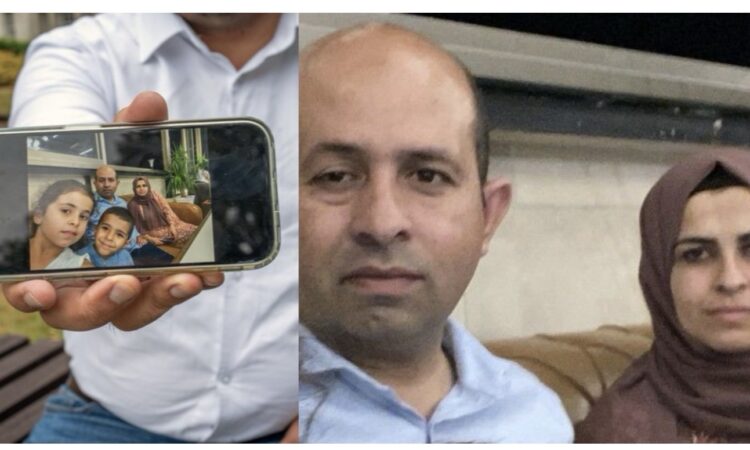
For Bassem Abudagga and his family, getting his wife and two children out of Gaza has become a long and painful struggle with the Home Office.
Every day, Bassem says he feels more hopeless. While he spends his time studying for his PhD in a university library in the UK, his wife, Mariam, and their two children, aged seven and 11, remain in Gaza.
The family are living in a crowded camp with other people who have been forced from their homes by the conflict. They have limited access to food, water and basic facilities, and Bassem says the conditions are extremely difficult.
Because of the situation, his conversations with his family are mostly about their immediate needs rather than how they are feeling.
“We just talk about needs,” he said. “Have you managed to get water? Have you managed to get food? My wife is trying to repair a toilet. They need to fix things here and there.”
He also said his elderly parents are struggling to get money because they have poor mobile phones and depend on electronic wallets to receive and use money.
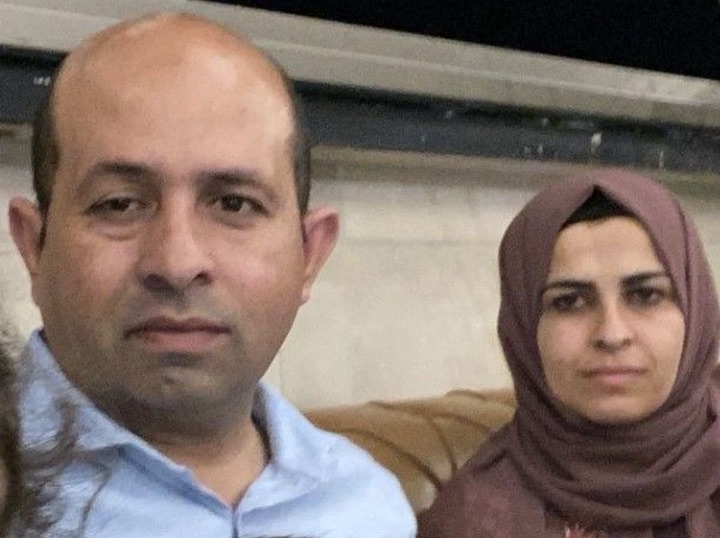
Bassem was born and raised in Gaza and left his family less than two weeks before October 7, 2023, to continue his doctorate in the UK. His research focuses on ways to help rebuild Gaza so people can live and work there again.
But while he has continued his studies, his family have remained trapped in Gaza.
Bassem says his wife and children should qualify for evacuation under the Home Office Gaza Process. However, he has spent about two years trying to get the government to allow them to join him in the UK.
“The court is the only thing we can use to pressure them,” he said.
In September 2025, the Home Office initially refused to grant visas in principle for Mariam and the children to come to the UK. Bassem’s lawyers then challenged the decision through the High Court.
In March 2026, the family received provisional entry clearance to come to the UK as student dependants. However, they still needed to provide their biometric information at a Visa Application Centre.
The problem is that the Visa Application Centres in Gaza are no longer operating because of the conflict.
Bassem’s lawyers asked the Home Office to waive or delay the biometric requirement, but the request was refused.
In June, the Foreign Office agreed to help with evacuation arrangements and asked the Home Office to consider allowing the family to travel to the UK through Jordan using Onward Travel Assurance.
However, a decision on that request has been delayed until December 19.
Without a decision on the biometric requirement or the travel arrangements, Bassem’s wife and children remain unable to leave Gaza.
His lawyers have repeatedly warned that they could take the matter back to the High Court. The Home Office later reconsidered the biometric issue, but in July it again refused to defer the requirement.
After further legal pressure, the Home Office withdrew that refusal but told the lawyers that another decision could not be made until the end of September.
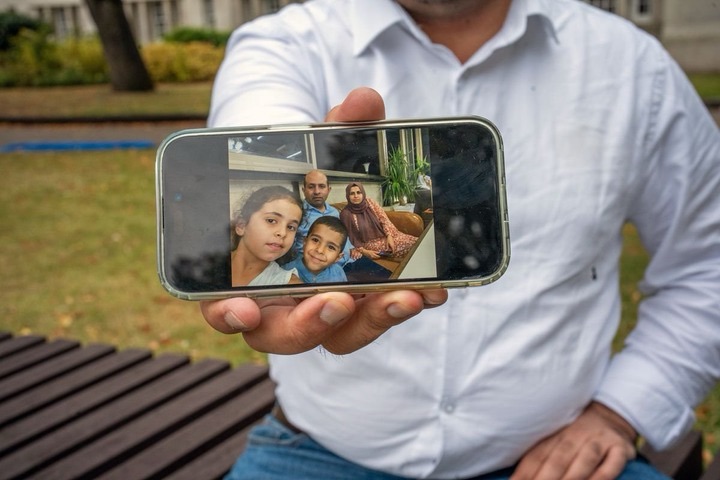
Bassem says the situation has become unbearable.
“Put yourself in my feet,” he said. “Try and imagine being someone living in the UK while my extended family have stopped counting the number of people who have been killed.”
He said his family have experienced famine, displacement and the destruction caused by the conflict.
“How can I put hope in this government?” he asked.
Bassem has also criticised the government’s response to the situation in Gaza. He said he feels that promises about helping families from Gaza have not translated into action in his case.
“We feel like we’re trapped,” he said.
The Home Office told the Manchester Evening News that it does not normally comment on individual cases. It said biometrics, including fingerprints and facial images, are an important part of the UK’s immigration system.
The department also said the situation was complex and that the Foreign Office remained ready to support people who are eligible to leave if the situation changes and more routes out of Gaza become available.
Bassem’s solicitor, Sarah Crowe of Leigh Day’s human rights team, said the family meet the Immigration Rules to join him as student dependants and already have approval in principle for their visas.
She said that if they were in another country, they would have been able to attend a Visa Application Centre, provide their biometrics and travel to the UK.
According to the legal team, the family remain stuck because of the closure of the border and the Home Office’s decision not to use its discretion over the biometric requirement.
Crowe also pointed to the special arrangements already available under the Gaza Process for some scholarship students and their families.
She argued that the same humanitarian considerations should apply to Bassem’s family because his PhD focuses on rebuilding Gaza and his university and scholarship organisation support his case.
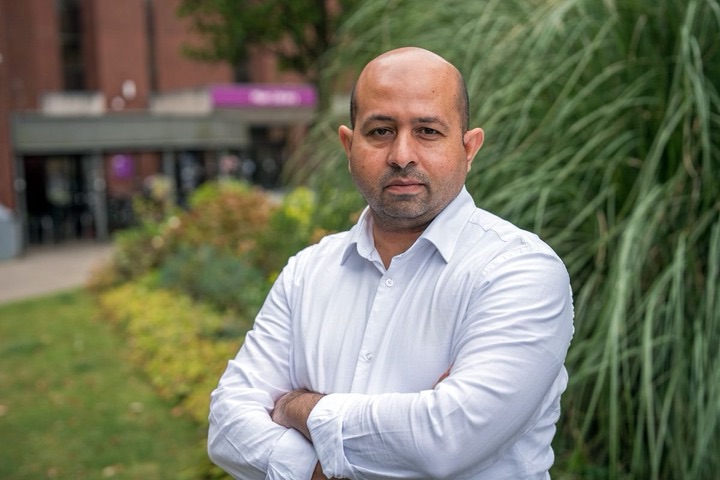
She said the Home Office had recognised that it was in the children’s best interests to leave Gaza but had continued to delay the family’s case.
Bassem’s MP, Rebecca Long-Bailey, has also called on the Home Office to act.
She said Bassem’s wife and children have spent years in a difficult situation, living in tents and being displaced several times after their family home was destroyed.
She argued that the family have already received approval in principle for their visas and urged the Home Office to consider allowing them to travel without waiting for the normal biometric process.
For Bassem, the wait continues as he studies in the UK while his wife and children remain in Gaza, hoping for a decision that will finally allow the family to be reunited.