New Report Reveals What Is Happening to Asylum Seekers in Britain as Shabana Mahmood Hails Progress

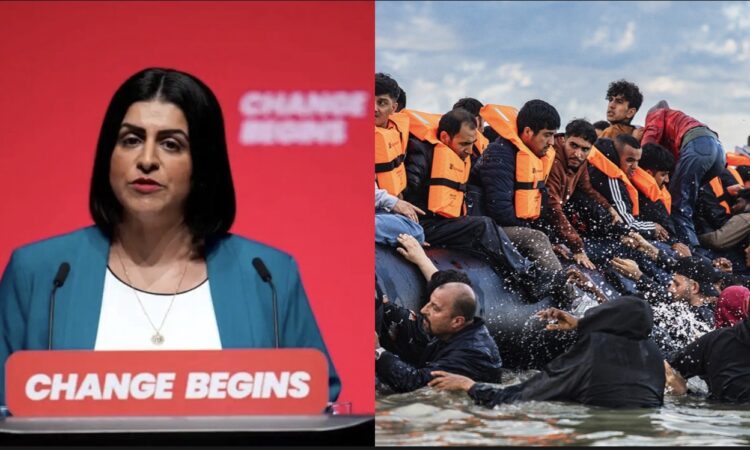
Home Secretary Shabana Mahmood has said the latest figures suggest the government’s efforts to deal with the UK’s migration and asylum system are beginning to show results.
New figures show that the number of asylum applications has fallen by around a fifth compared with the previous year. At the same time, the number of asylum seekers being housed in hotels has dropped sharply, while small boat crossings across the English Channel have also declined.
Mahmood said the figures were encouraging, pointing to a reduction in the asylum backlog, fewer people being placed in hotels and an increase in the number of people being removed or returned from the UK.
She also highlighted a rise in arrests linked to illegal working, saying the government was taking stronger action against people who break immigration rules.
According to the figures, more than 32,000 asylum seekers were being housed in hotels in June 2025. By June 2026, that number had fallen by around half to just over 16,000.
The number of people applying for asylum has also fallen. Around 85,891 asylum applications were recorded in the 12 months to the end of June, which was 21 per cent lower than the previous year. It was also the lowest number recorded for a 12-month period since June 2022.
However, the figures show that not all asylum applicants arrived in the UK by crossing the Channel in small boats. Around half of the applications came from people who were already legally in the country before making their asylum claim.
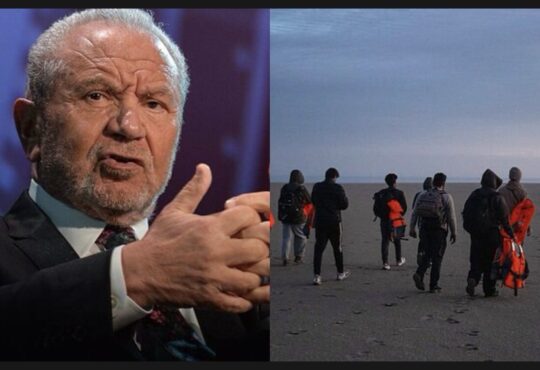
Small boat crossings remain one of the biggest political issues surrounding immigration in Britain. In the year to June, around 33,000 people were detected crossing the Channel in small boats, while the total number of illegal arrivals recorded was around 38,000.
Small boat arrivals were down by 23 per cent compared with the previous year. The Labour government has argued that the fall shows its efforts to work with European countries and disrupt people-smuggling networks before migrants reach the Channel are having an impact.
Mahmood, however, made clear that she does not believe the government can become too comfortable with the latest figures. She said that while the numbers are moving in the right direction, there is still more work to be done.
The asylum backlog has also seen a major reduction. The number of people waiting for an initial decision fell by 56 per cent in the year to June, reaching 40,168. This is the lowest figure since March 2019 and is a major fall from the peak of around 175,000 recorded in June 2023.
The government has also increased the number of people being removed from the UK. Around 40,000 people who were found not to have a legal reason to remain in the country were removed in the year to June 2026. This represented an eight per cent increase compared with the previous year.
Around one-third of those removed were failed asylum seekers, making it the highest number of failed asylum seekers removed in 16 years.
Despite the fall in hotel use, the government is still paying for accommodation for tens of thousands of asylum seekers across the country. The number of people living in houses paid for by the Home Office increased from around 65,000 at the end of 2024 to about 69,000 in June 2026.
Government spending on asylum also fell during the 2025/26 financial year. Spending on areas including accommodation, direct financial support, staffing and some border enforcement work dropped by eight per cent to around £4.36 billion.
The latest figures have been welcomed by the government as evidence that its migration policies are making progress. But opposition parties have strongly criticised the approach and argued that reducing the number of people in hotels does not necessarily mean the overall immigration problem has been solved.
Shadow Home Secretary Chris Philp accused Labour of moving asylum seekers from hotels into houses and flats around the country. He argued that the government should take tougher action against people who enter the UK illegally.
Reform UK has also criticised the government, saying Britain remains under severe pressure because of illegal immigration. The party has called for stronger measures to stop small boats crossing the Channel and for people who have no legal right to remain in the UK to be detained and removed.
The Equality and Human Rights Commission has raised separate concerns about the government’s treatment of migrants and asylum seekers. It said the government received its lowest ranking over its policies affecting migrants and asylum seekers, pointing to concerns about poverty, destitution and what it described as inconsistent action.
The latest figures therefore present a mixed picture. The government is pointing to fewer asylum applications, a much smaller backlog, fewer people staying in hotels and a fall in small boat arrivals as signs that its policies are working.
At the same time, thousands of people are still crossing the Channel, tens of thousands remain in Home Office-funded accommodation and political arguments over immigration continue to grow.
Mahmood has acknowledged that there is still more to do, meaning the government is likely to remain under pressure to show that the recent improvements can continue in the months ahead.