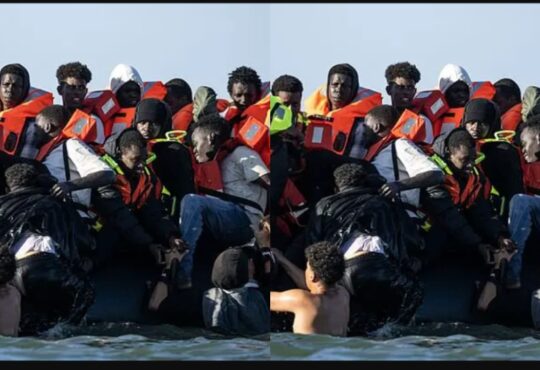
Home Secretary Announces New Plan to Bring More Vulnerable Refugees to Britain and Help Them Stay Permanently

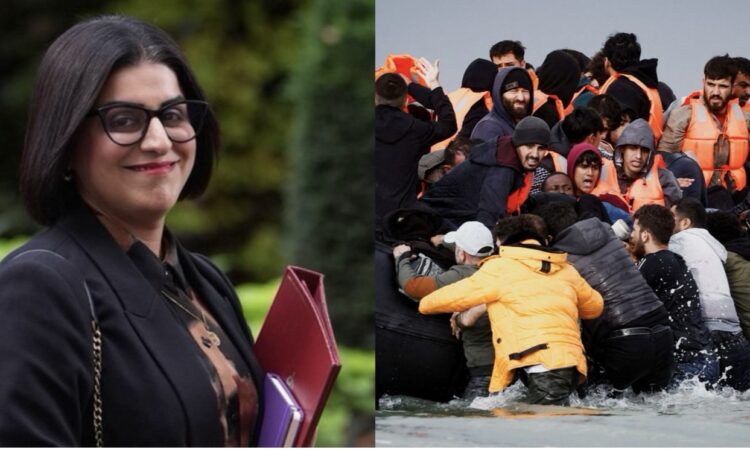
Home Secretary Shabana Mahmood is preparing to announce a new legal route that will allow some of the world’s most vulnerable refugees to come to Britain and receive a faster path towards permanent settlement.
The plan will involve reopening the UK Resettlement Scheme, which had stopped accepting new referrals in December 2024. Under the new approach, priority is expected to be given to people considered particularly vulnerable, including Afghan women and girls, Palestinians in vulnerable circumstances and people with disabilities.
Those accepted through the resettlement route will be treated differently from many people who claim asylum after arriving in Britain through irregular routes.
Refugees entering through the reopened scheme are expected to receive indefinite leave to remain, giving them permanent status in the UK and putting them on a much shorter route towards possible British citizenship. This is very different from the Government’s wider “core protection” approach, under which some refugees could face repeated reviews and a much longer wait before qualifying for settlement.
Mahmood is expected to present the policy as part of an attempt to create an immigration and asylum system that is both controlled and compassionate.
Her argument is that Britain should continue helping people escaping war, persecution and serious danger, while making sure the number of people arriving through official refugee programmes remains limited and controlled.
The Government says the reopened scheme will have an annual cap rather than allowing unlimited numbers of people to enter. Initial numbers are expected to be in the hundreds, with the possibility of increasing into the low thousands in the future if irregular migration falls.
People will not simply be able to apply and automatically receive permission to enter Britain. Potential refugees will be identified through recognised organisations, including the UN Refugee Agency, and applicants will have to go through identity, security, criminality and suitability checks before travelling to the UK.
However, the announcement has already become politically controversial.
Reform UK leader Nigel Farage criticised the policy, describing it as a “new push to bring even more migrants into Britain”. His criticism reflects Reform UK’s wider opposition to Labour’s immigration and refugee policies.
Farage argued that Britain should not take additional migrants under what the Government describes as its international responsibilities. He also linked his criticism to recent security concerns surrounding refugees and asylum seekers.
His comments came after reports concerning a former Hamas bodyguard who had previously been granted asylum and British citizenship and was later arrested in Britain over allegations connected to a suspected terrorist plot in Europe.
The case has increased political debate about how people entering Britain through refugee and asylum routes are checked. The Government, however, says people coming through the reopened resettlement scheme will be required to pass security and criminality checks before being allowed to travel to the UK.
Mahmood is expected to argue that the country does not have to choose between tighter border controls and helping vulnerable refugees.
Instead, her position is that Britain can take a tougher approach towards irregular migration, including small-boat crossings, while maintaining limited legal routes for people considered most in need of protection.
The Home Secretary is expected to stress that any such system must be “capped and controlled” and that local communities must have the ability and resources to receive the people who are allowed to come.
The policy is therefore being presented as part of a wider attempt to separate legal refugee resettlement from irregular migration.
Alongside reopening the resettlement route, the Government is also moving ahead with new sponsorship arrangements that would allow communities, charities and other approved organisations to help refugees build new lives in Britain.
The idea takes inspiration from Canada’s long-running community sponsorship system. Under such arrangements, sponsors can provide refugees with practical help such as accommodation and support while they settle into their new communities. The Government has also announced plans for universities and, later, employers to take part in refugee sponsorship routes.
The Government hopes these controlled legal routes will provide another option for refugees instead of dangerous journeys organised by people smugglers.
However, there is disagreement over how much difference the policy will actually make to Channel crossings.
Some refugee organisations argue that safe and legal routes need to operate on a much larger scale to have a meaningful effect. Migration experts have also warned that a relatively small resettlement programme should not be expected on its own to significantly reduce the number of people attempting to reach Britain through irregular routes.
The debate is therefore likely to continue.
Supporters of refugee resettlement argue that controlled legal routes give vulnerable people a safer way to reach Britain without putting their lives in the hands of smugglers. Critics, including Farage, argue that opening additional routes still means allowing more people to settle permanently in the country.
Mahmood’s challenge will be to convince the public that the Government can maintain firm control over immigration while continuing to offer protection to a limited number of vulnerable refugees.
The Government’s message is that the two policies can exist together: tougher measures against irregular migration alongside capped and carefully controlled legal routes for people fleeing war, persecution and other serious dangers.