
From October, the Department for Work and Pensions (DWP) will start using new powers that could allow it to take money directly from the bank accounts of some people who owe benefit-related debts and refuse to repay them.
The powers come from the Public Authorities (Fraud, Error and Recovery) Act 2025. The new law gives the DWP stronger ways to recover money owed to the government, including in some cases without first needing to obtain a court order.
Although the new law came into force earlier this year, the DWP said it would not begin using some of the new powers until October.
The changes are part of the government’s wider effort to tackle fraud, mistakes and unpaid debts in the benefits system. The government hopes the measures will help save billions of pounds over the coming years.
Since the law changed at the end of June, the DWP has been sending letters to people who owe money. The letters encourage them to contact the department and arrange repayment before stronger action is considered.
People who received these letters have been given time to deal with their outstanding debts. However, from October, those who continue to refuse to repay money they owe could face stronger recovery action.
One of the biggest changes is the DWP’s ability, in certain circumstances, to recover money directly from a person’s bank account. Previously, recovering money in this way could involve going through a longer legal process.
The new powers do not mean that money will automatically be taken from everyone who owes the DWP. They are aimed particularly at cases where money remains unpaid and a person has failed or refused to make suitable repayment arrangements.
There are also stronger measures available for serious cases. Under the legislation, a person’s driving licence could potentially be suspended where the welfare debt is more than £1,000 and certain conditions are met. Unlike direct recovery from a bank account, action involving a driving licence would require a court order.
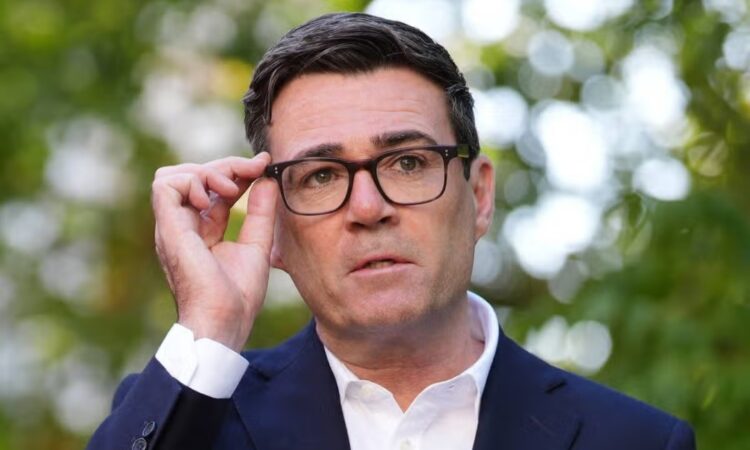
When the legislation was passed, Minister for Transformation Andrew Western said the government needed stronger powers because fraud against public services continues to change.
He said the new measures would help authorities identify and prevent fraud, reduce errors and recover money owed to taxpayers.
The government says fraud and mistakes involving public money cost taxpayers billions of pounds every year. Ministers believe the new law will give government departments more effective tools to recover that money.
Officials have also said DWP staff will receive training on how and when the new powers should be used.
Cabinet Office Minister Josh Simons said the government wanted to take a stronger approach to fraud and recover public money lost through criminal activity and errors.
For people who owe benefit-related debts, the changes mean that ignoring letters from the DWP could become more serious. Anyone contacted about an outstanding debt may therefore want to speak to the DWP and understand their repayment options before stronger recovery measures are considered.