ISIS Terror Suspect Who Came to UK on Small Boat Spotted Shopping Near King Charles’ Castle Before Something Unexpected Happened

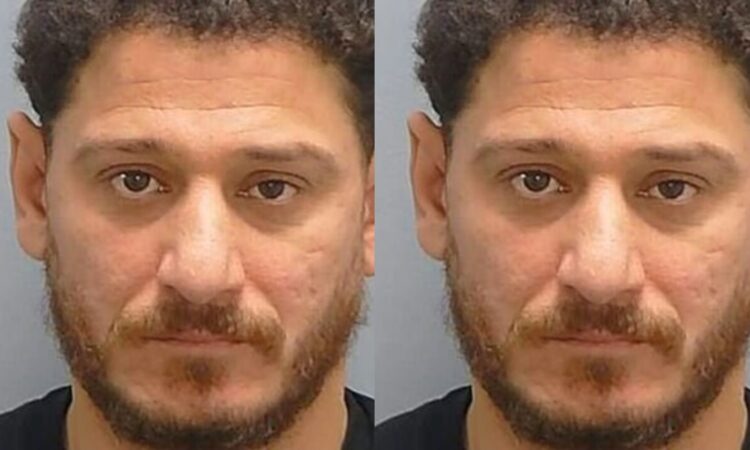
An Iraqi man accused of being involved with Al Qaeda and ISIS has been seen shopping near Windsor Castle after being released from prison and allowed to live in the area while his immigration case continues.
Mohammed Yaseen, who reportedly became involved in terrorist activities when he was just 16 years old, is fighting to remain in Britain despite his alleged involvement in serious crimes in Iraq.
According to reports, Yaseen was connected to the terrorist group responsible for the murder of Ken Bigley, a 62-year-old British engineer from Liverpool who was kidnapped and killed in Iraq in 2004.
He later joined ISIS and was reportedly part of a group responsible for carrying out public executions, including beheadings and stonings.
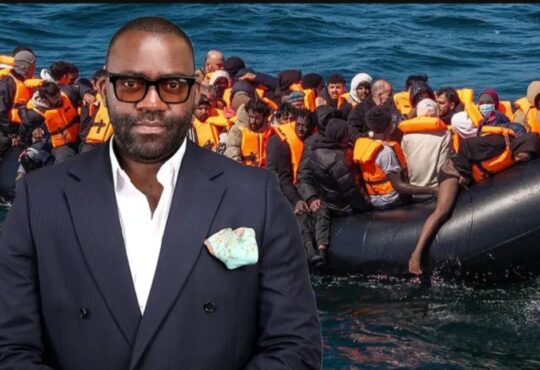
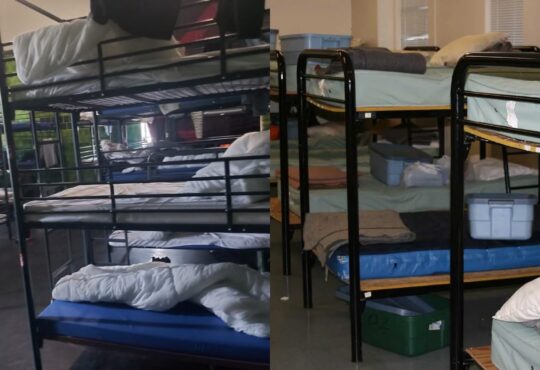
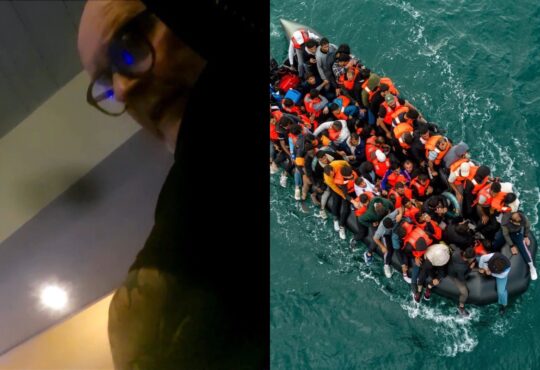
Yaseen arrived in Britain last December after crossing the English Channel in a small boat. He was initially placed in a migrant hotel in Basingstoke, Hampshire, which was paid for by taxpayers.
However, reports say he gave immigration officials a false name when he arrived. His real identity was later discovered through routine biometric checks, which led to him being sent to prison.
After spending time behind bars, Yaseen was released and placed in supervised accommodation in Windsor, Berkshire.
He was required to wear an electronic ankle tag and follow a strict curfew, meaning he had to remain inside between 6pm and 6am.
Despite these conditions, he was reportedly allowed to move around Windsor during the day.
This raised concerns because Windsor is home to Windsor Castle, one of King Charles’s official residences. Prince William, Princess Catherine and their children also live in the area, near Windsor Great Park.
According to the Mail on Sunday, Yaseen was spotted shopping inside a Co-op supermarket close to Windsor Castle last week.
The newspaper reported that there were no specific restrictions preventing him from visiting Windsor Great Park or approaching the castle area.
Further details about his past were reportedly revealed in documents from a court case in Germany.
The documents stated that Yaseen had worked as an armed guard during public executions carried out by ISIS. He was reportedly armed with a Kalashnikov rifle while guarding people being punished by the terrorist organisation.
Among the incidents mentioned was the killing of a couple accused of adultery. The couple were reportedly stoned to death.
German prosecutors also said Yaseen provided security during two mass executions.
Germany previously attempted to deport him to Iraq, but a judge ruled that sending him back could expose him to serious harm, including torture or death.
Now, Yaseen is making another attempt to remain in the UK.
His latest application has reportedly delayed the Home Office’s efforts to remove him from Britain while his case is being considered.
The Mail on Sunday also reported that the Foreign Office had raised concerns that Yaseen could face mistreatment if he returned to Iraq.
However, the situation changed shortly after journalists contacted the Home Office about his presence in Windsor.
According to the newspaper, Yaseen was returned to prison within hours. Reports suggested that he had broken one of the good-behaviour conditions attached to his supervised accommodation.
A source confirmed that he was no longer living in Windsor.
The case has also raised questions about how much British taxpayers could be required to spend while Yaseen continues his legal fight to remain in the country.
According to estimates reported by the Mail on Sunday, legal proceedings could cost taxpayers as much as £500,000 if the case eventually reaches the European Court of Human Rights.
Experts quoted by the newspaper also suggested that keeping him in Britain could cost up to £85,000 a year because of accommodation, food, security and monitoring expenses.
These figures are estimates rather than confirmed costs.
Yaseen is also expected to receive legal aid to help fund his immigration case.
The Home Office has maintained that removing foreign criminals from Britain remains a government priority.
A government spokesperson told the Express that foreign nationals who receive prison sentences in the UK are referred for deportation as soon as possible and can be permanently banned from returning.
The spokesperson also said that more than 11,000 foreign criminals, including people convicted of murder and rape, had been removed or deported during the two years following the last general election.
According to the government, this represents a 41% increase compared with the previous two-year period.
The government has also changed rules under the Early Removal Scheme, allowing most eligible foreign prisoners to be deported after serving 30% of their sentences instead of the previous 50%.
Ministers say the changes are intended to protect the public, reduce pressure on British prisons and lower the amount of taxpayers’ money spent keeping foreign offenders in the country.
For now, Yaseen’s immigration case remains unresolved, and his reported return to prison means he is no longer living in the Windsor accommodation where he was previously allowed to stay.