British Man Who Witnessed Illegal Migrants Gathering to Board a Dinghy to the UK Reveals the Reason They Couldn’t Be Stopped

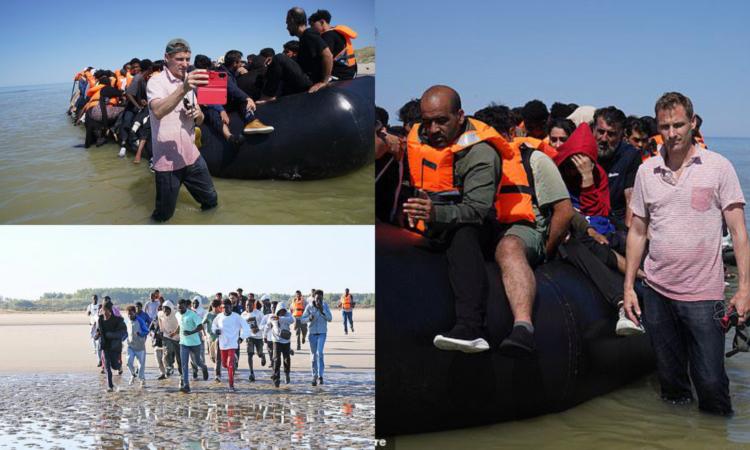
French police officers reportedly watched as dozens of migrants gathered on a beach in France, preparing to cross the English Channel to Britain in small boats, without taking action to stop them.
Shadow Home Secretary Chris Philp made the claim after travelling to Hardelot-Plage, near Boulogne, to see what was happening on the French coast.
According to the Conservative MP, large groups of migrants were waiting near the water while people smugglers arranged for inflatable boats to collect them and take them towards Britain.
He said French police officers were standing nearby but did not try to stop the migrants from entering the sea or getting onto the boats.
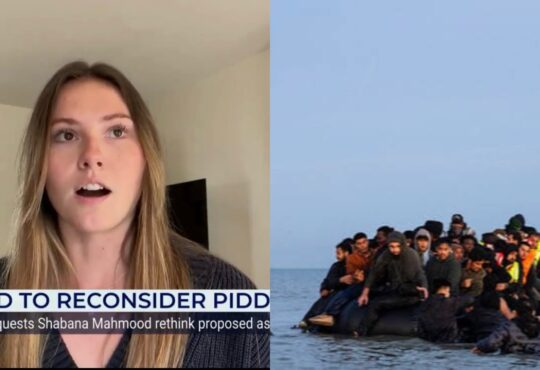
Mr Philp has strongly criticised Home Secretary Shabana Mahmood over the British Government’s £662 million agreement with France, which is intended to help reduce illegal crossings of the English Channel.
He believes the agreement is not producing the results British taxpayers were promised. He argued that the money should be used to make sure French authorities take stronger action to stop migrant boats before they leave the beaches.
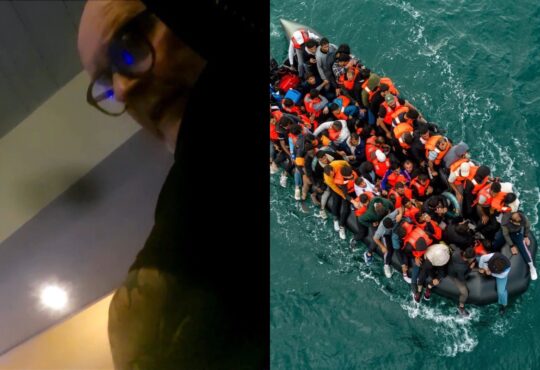
Mr Philp shared a video of his visit on X, formerly known as Twitter, showing what he said was happening on the beach.
He also claimed that he spoke directly to some French police officers about why they were not stopping the migrants.
According to him, one officer told him on camera that they had received instructions not to interfere when migrants gathered to board boats.
However, there has been no independent confirmation of his account of the conversation or the instructions allegedly given to the officers.
The Conservative politician also claimed that several non-governmental organisations were present on the beach and were helping migrants before they attempted the dangerous journey.
The organisations he referred to have not publicly responded to his allegations.
Mr Philp estimated that around 100 migrants had gathered on the beach, with some already standing in the water waiting for a boat to arrive.
He explained that the migrants were expecting what he described as a “taxi boat” travelling from Dieppe, another location along the French coast.
These boats are sometimes used by people-smuggling gangs to collect migrants from different parts of the coastline before heading across the English Channel.
Instead of launching a boat directly from the beach, smugglers can arrange for an inflatable dinghy to travel along the coast and collect people who are already waiting in the water.
This method can make it more difficult for police to stop the crossings before the boats leave French waters.
During his visit, Mr Philp walked into the shallow water and stood just a short distance from the migrants while recording the situation.
He said most of the people he saw appeared to be young men from countries in sub-Saharan Africa, although he acknowledged that there were some exceptions.
The MP said what he witnessed showed that the agreement between Britain and France was failing to stop migrants from attempting to reach the UK.
He criticised Shabana Mahmood, saying her agreement with the French authorities was not working as expected.
According to him, migrants were still gathering openly on beaches and preparing to board boats despite the large amount of money Britain had committed to improving security and cooperation with France.
Reports from Gravelines beach on the same day described similar scenes, with groups of migrants running into the water and climbing aboard inflatable dinghies before beginning their journey towards Britain.
The latest claims have raised further questions about how effectively French authorities are preventing small boats from leaving their coastline.
The issue of Channel crossings has remained one of the biggest immigration challenges facing the British Government.
When Labour came into power, it cancelled the previous Conservative government’s Rwanda asylum plan.
Under that scheme, some asylum seekers who arrived in Britain would have been sent to Rwanda to have their asylum claims considered there.
Labour had opposed the policy while it was being developed, and the plan faced several legal challenges that delayed its introduction.
Instead of continuing with the Rwanda scheme, Labour decided to focus more on stopping the criminal gangs responsible for organising dangerous boat journeys.
The Government has increased cooperation between British and French police, intelligence services and other law enforcement agencies.
Ministers believe that targeting the people who organise and profit from illegal crossings will help reduce the number of migrants making the journey.
However, critics argue that stopping the boats from leaving French beaches should also be a major priority.
The Government’s approach initially faced criticism after approximately 42,000 people crossed the English Channel in small boats last year, making it the second-highest annual total on record.
More recent figures suggest that the number of arrivals has fallen.
Around 13,350 migrants have reportedly reached Britain during the comparable period this year, representing a reduction of approximately 45 per cent compared with the same period last year.
Experts believe several factors may have contributed to the decline.
Bad weather, including strong winds and dangerous sea conditions during the winter and early spring, may have prevented some migrants from attempting the crossing.
Police operations targeting people-smuggling gangs may also have disrupted some of the networks responsible for organising the journeys.
Despite the reported reduction in arrivals, Mr Philp believes the situation he witnessed on the French beach shows that more needs to be done.
His claims have renewed debate about whether Britain is getting value for the money it has committed to France and whether French police should be taking stronger action when migrants gather along the coastline.
For now, the Government continues to defend its approach of working with French authorities and targeting criminal smuggling networks, while opposition politicians are demanding tougher measures to stop small boats before they reach British waters.