Henry Nowak’s request has been granted, and he has been given permission after begging the authorities for months

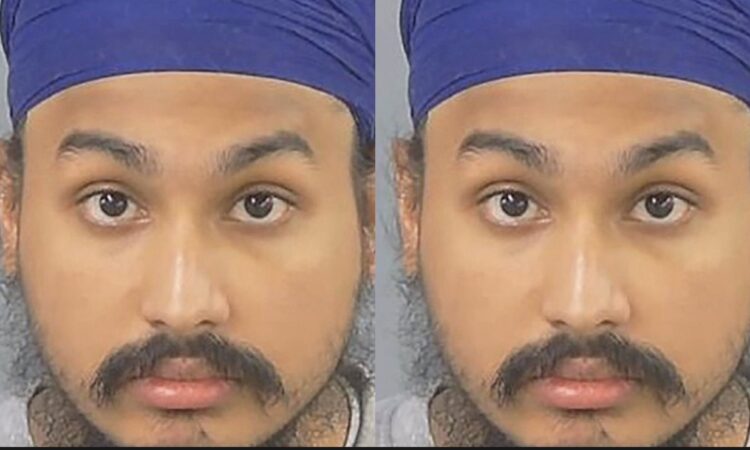
The man convicted of murdering Henry Nowak in Southampton has been given permission to appeal against his prison sentence. Vickrum Digwa was sentenced in June to life imprisonment with a minimum term of 21 years for the killing in December 2025.
According to ITV News, his sentence appeal is due to be heard at the Court of Appeal on November 5. Digwa argues that the minimum term is too harsh. He is also seeking permission to appeal against his murder conviction, although that is a separate matter from the sentence appeal.
At the same time, the Attorney General is challenging the sentence for the opposite reason, arguing that it is too lenient. This means the court will consider competing arguments about the punishment Digwa received. The judges will decide whether the minimum term should be increased, reduced or left unchanged.
The minimum term of 21 years does not mean Digwa will automatically leave prison after that time. It is the period he must serve before he can be considered for release on parole. Any release would depend on a separate decision about whether it is safe for him to leave prison.
Digwa’s mother, Kiran Kaur, was also jailed for her role after the attack. The 53-year-old, from St Denys Road in Southampton, received a three-year prison sentence for assisting an offender.
The court heard that Kaur removed the knife used in the killing from the scene and took it back to the nearby family home on the night of December 3, 2025. A jury found her guilty following a trial in May. The same jury convicted Digwa of murder and possessing a knife in public.
After stabbing Henry, Digwa falsely told police that he had been the victim of a racist attack. However, concerns about how officers treated Henry have become another major part of the case.
Police body-worn camera footage showed Henry being restrained and handcuffed while seriously injured. He told officers that he had been stabbed and could not breathe. The footage raised questions about why he was arrested and restrained instead of receiving immediate first aid.
The case led to demonstrations and calls for answers about the police response. For Henry’s family, the footage added to the distress of losing him.
Speaking when Digwa was sentenced at Southampton Crown Court, Henry’s father, Mark Nowak, described the difference between the treatment of his son and the man who killed him as “unbearable”. His comments reflected the family’s concerns about what happened during Henry’s final moments.
The following day, Sir Keir Starmer said there were serious questions to answer about the case.
The Independent Office for Police Conduct is investigating two officers for possible gross misconduct. The investigation includes whether they failed to recognise that Henry needed urgent medical care and whether they responded properly when he said he had been stabbed and was struggling to breathe.
The watchdog is also examining the decision to arrest and handcuff Henry rather than give him first aid. One of the officers faces an additional investigation into whether they dismissed his statement that he had been stabbed.
Investigators are also considering whether race or religion influenced the officers’ decisions. These matters remain under investigation, and the concerns being examined are not final findings of misconduct.
The forthcoming appeal will focus on Digwa’s sentence, while his request to challenge his conviction and the investigation into the officers’ conduct remain separate parts of the case.