Illegal Migrants Face Nightmare as French Police Reveal New Method They Are Using to Stop Migrant Boats From Reaching the UK

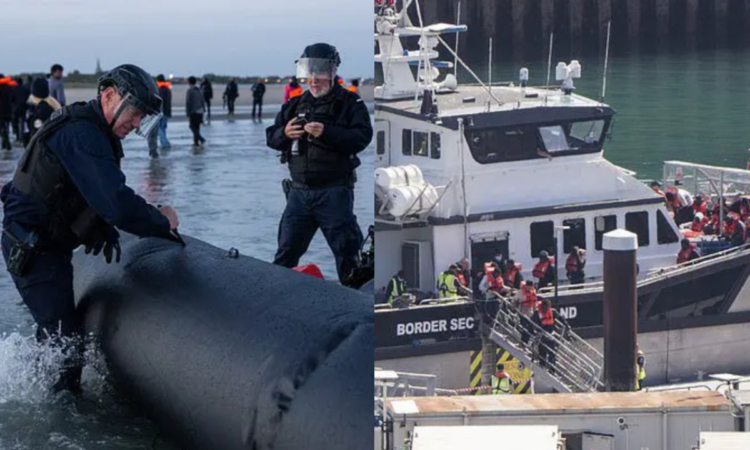
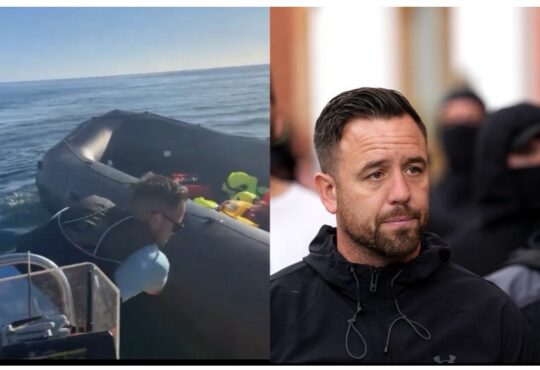
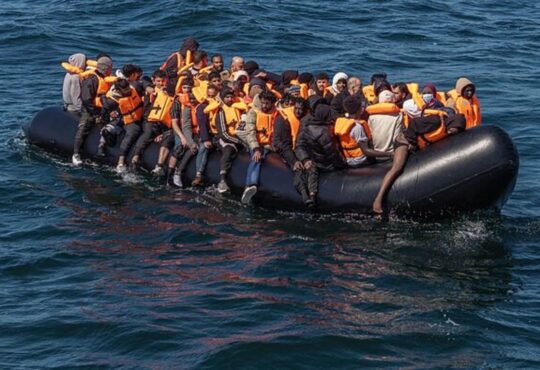
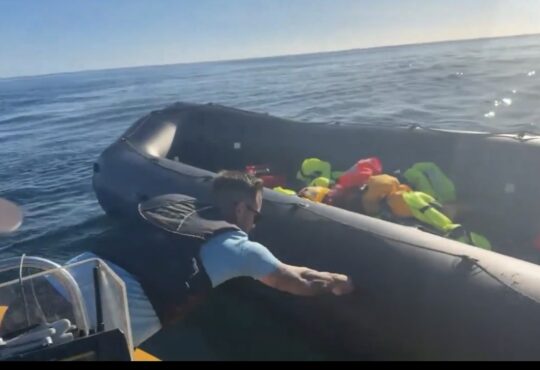
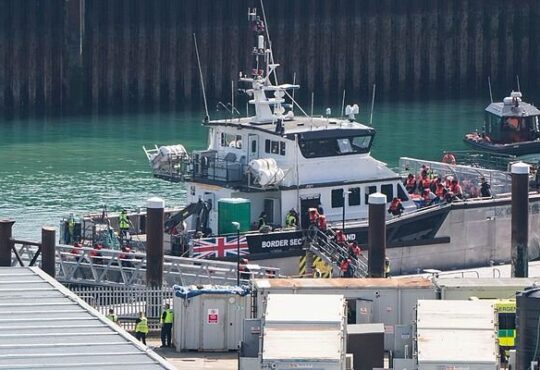
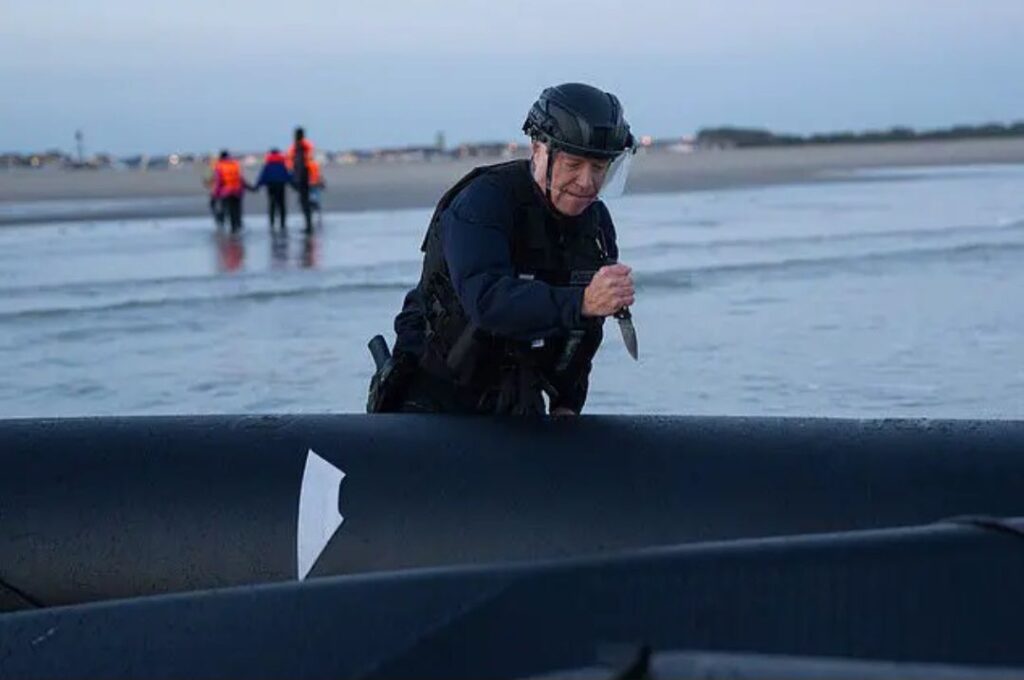
Pictures have shown the moment French police used a knife to puncture a migrant dinghy on a beach in northern France, as more people attempting to cross the English Channel were later brought into Dover.
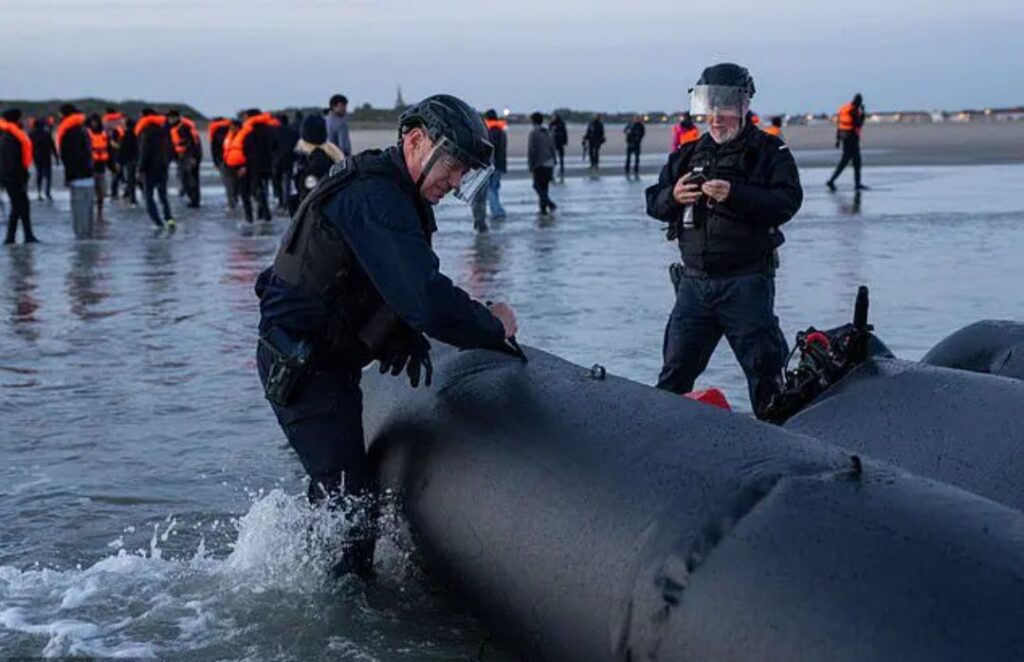
The inflatable boat had been left on a beach at Gravelines after an attempt to cross the Channel failed. A French police officer was seen using a knife to damage the dinghy, apparently making sure it could not be used for another journey.
A group of young men who were believed to have been planning to travel in the boat could be seen walking away from the area. At the same time, another officer dragged the boat’s outboard motor back towards the shore.
The incident happened as French authorities continued trying to stop small boats from leaving the coast and heading towards Britain.
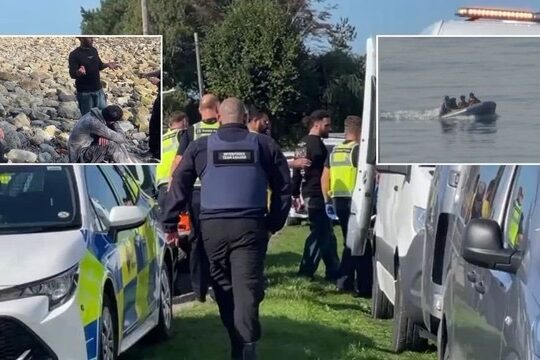
Around 40 miles away, another group of migrants was brought into Dover by a Border Force vessel. It was reported to be the first successful small-boat arrival for almost a week.
The previous recorded crossing had taken place on September 15, when 55 people arrived in the UK in one boat.
There were also reports that other migrant boats were active in the Channel. French lifeboat and naval vessels were reportedly monitoring at least one boat much further west, close to Normandy.
The location of some of these journeys has attracted attention because most Channel crossings traditionally begin from areas closer to Calais and Dunkirk. However, there have been cases of boats leaving from locations further west.
Earlier in September, one dinghy reportedly travelled from the Cherbourg area and had to be met by lifeboats from the Isle of Wight. The incident attracted attention because reaching waters close to Hampshire involves a much longer journey than the more common routes across the Channel.
Officials initially suggested that the incident could have been unusual rather than evidence of a major change in the way people-smuggling networks operate.
However, a senior French interior ministry source quoted by the Daily Mail claimed smugglers were increasingly looking towards Normandy because authorities were making it more difficult to launch boats from the Pas-de-Calais area.
The source said officials expected more large inflatable boats to appear in western areas of the French coast in the coming weeks and months.
According to figures cited in the original report, 17,480 migrants had crossed the English Channel by small boat so far during the year.
The issue of Channel crossings remains one of the major challenges facing the UK government.
After Labour came to power, the government ended the previous Conservative government’s Rwanda asylum scheme. Labour instead said it would focus more heavily on law enforcement, border security and action against criminal gangs involved in people smuggling.
Britain has also provided hundreds of millions of pounds to France as part of agreements aimed at strengthening efforts to stop small boats from leaving French beaches. The number of officers involved in anti-crossing patrols along the French coast has increased to more than 1,000.
The UK and France have also introduced a migrant returns arrangement commonly described as the “one in, one out” deal. Under the agreement, some migrants who cross the Channel can be returned to France, while the UK accepts some people through a legal route under agreed conditions.
Home Secretary Shabana Mahmood told MPs earlier this month that more than 1,400 migrants had been returned to France, according to the figures quoted in the report.
However, the scheme has also faced questions over its cost and how many people it can handle.
The Home Secretary told MPs that the arrangement had so far dealt with relatively small numbers and had been difficult to expand to allow very large numbers of removals every week.
The government has separately offered financial support to some failed asylum-seeker families who voluntarily agree to leave Britain.
Under the scheme announced earlier this year, eligible families can receive payments of up to £10,000 per person, with payments available for up to four members of a family, potentially bringing the total to £40,000.
However, Mahmood said only a small number of families had accepted the offer.
Officials have argued that encouraging voluntary departures could cost taxpayers less than continuing to provide accommodation and other support for families who remain in the asylum system.
Meanwhile, the pictures from Gravelines show the practical measures French officers are taking on the beaches. By puncturing abandoned dinghies and taking away their engines, authorities are trying to prevent the boats from being recovered and used for another attempt to cross the Channel.
Despite those efforts, boats continue to attempt the dangerous journey, while British and French authorities remain under pressure over how to reduce crossings and disrupt the criminal networks involved in arranging them.