Reform UK Rolls Out Extra Security Over Asylum Seeker Fears, but Some Residents Are Asking One Big Question

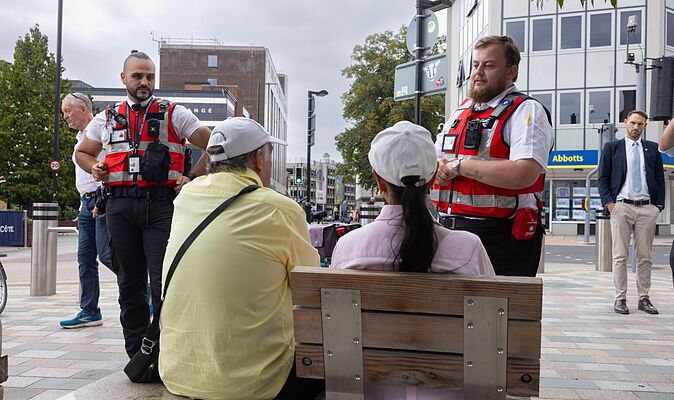
Reform UK has introduced extra security patrols in three parts of Essex after concerns were raised by some residents about safety and groups of asylum seekers arriving in local towns.
The new scheme, called “Operation Vanguard”, covers Chelmsford, Braintree and Colchester. Essex County Council leader Peter Harris said the extra security was brought in because some residents had told the council that they were worried and felt unsafe.
One of the concerns raised involves asylum seekers being transported from the Wethersfield accommodation site to nearby towns. Some residents say they have felt uncomfortable or intimidated when they have seen groups of young men gathering or walking around public areas.
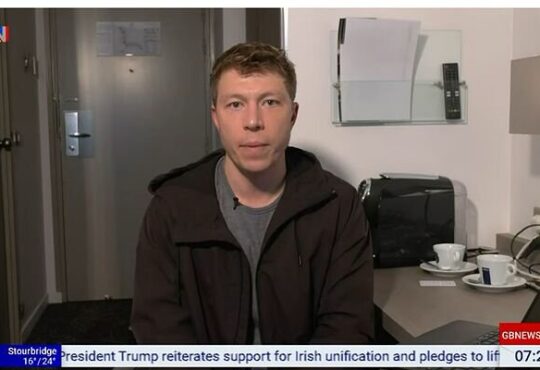
Express reporter Adam Toms joined security officers during one of their patrols in Chelmsford and spoke to residents about what they thought of the scheme.
One resident, 72-year-old Linda Sheppard, welcomed the extra security. She said she had previously felt intimidated by groups of young men and was very pleased that Operation Vanguard had started.
However, not everyone agreed that spending money on private security was the right decision.
The trial is reportedly costing £150,000, and some residents questioned whether the money could have been better spent elsewhere.
During the patrol, one woman described the scheme as a waste of money. Another resident walking his dog repeatedly asked who was paying for the security operation. Another man angrily shouted at those involved in the patrol, making it clear that he did not support what was happening.
These reactions showed that local opinion is divided.
Some people told the reporter that they were not particularly worried about asylum seekers in Chelmsford. Instead, they said the authorities should focus more attention on other problems affecting the area, including drug-related crime and anti-social behaviour.
Residents also mentioned problems such as people drinking in the streets, hanging around public places, shouting and fighting. They argued that these problems can involve local residents as well and should not automatically be connected to migrants or asylum seekers.
Despite the criticism, Councillor Harris defended the decision to introduce additional security.
He argued that even if some people do not personally feel frightened, the concerns of residents who do feel unsafe should still be taken seriously.
Harris also questioned whether authorities should wait until serious incidents happen before taking action. He raised concerns about assaults and sexual assaults and said he believed preventative action was necessary rather than waiting for something serious to happen first.
His position is that the council has a responsibility to respond when residents say they are frightened, even if other people living in the same area do not share those fears.
However, the debate also raises a wider question about policing and how public money should be spent.
Chelmsford is not the only place where residents have called for a stronger police presence. In many communities across Britain, people have said they would like to see more police officers regularly walking through town centres and neighbourhoods.
There is also disagreement over whether private security patrols are the best way to deal with those concerns, particularly when the scheme comes with a significant cost.
Crime committed by migrants can understandably cause public concern, especially when serious offences are involved. At the same time, crime is not limited to migrants. British-born people also commit crimes and take part in anti-social behaviour.
For that reason, the debate in Essex is not simply about migration. It is also about public safety, policing, how councils respond when residents say they are afraid, and whether spending £150,000 on additional security patrols is the right way to address those concerns.
For Reform UK and Councillor Harris, the scheme is presented as an attempt to act before problems become more serious. For critics, the important question is whether the patrols are necessary and whether the money could have been used more effectively elsewhere.
As the trial continues in Chelmsford, Braintree and Colchester, residents will ultimately be able to see what difference the extra patrols make to their communities.