Illegal Boat Migrants May Think Twice About Crossing the English Channel Into the UK After Experiencing the Worst-Ever Disaster

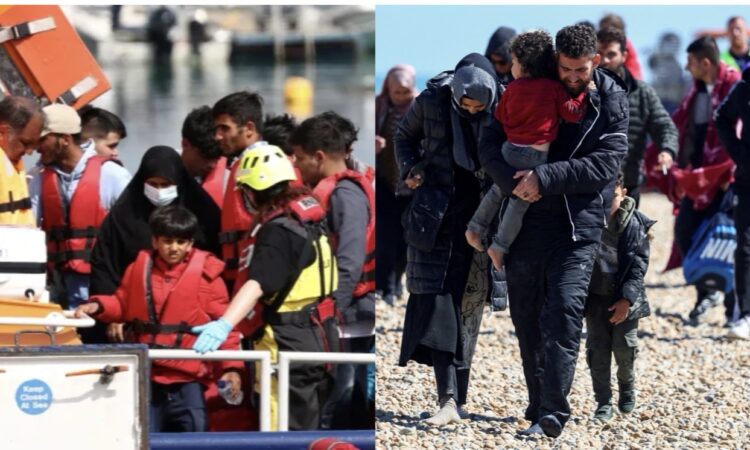
Fourteen alleged people smugglers have gone on trial over the deaths of dozens of migrants who drowned while trying to cross the English Channel in what has been described as the worst migrant boat disaster recorded in the busy waterway.
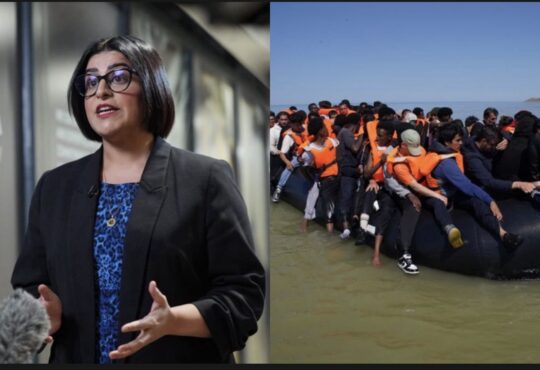
A court in Paris heard that the victims allegedly paid at least £2,500 each for a place on the small dinghy that was supposed to take them from France to Britain. Instead, the journey ended in tragedy when the overcrowded boat got into serious difficulty at sea.
The disaster happened in November 2021. Prosecutors told the court that the migrants had been placed on a weak and unsuitable inflatable boat that was not designed for such a dangerous journey across the Channel. The boat was also said to have been carrying too many people and did not have enough life jackets for everyone on board.
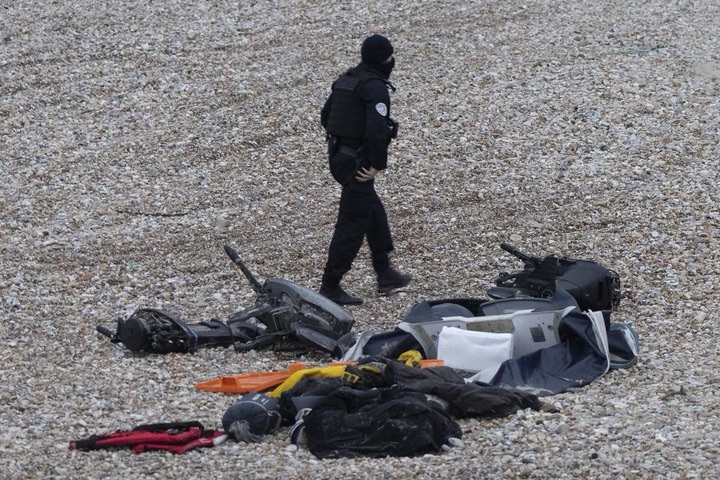
The 14 defendants, most of whom are Afghan, are accused of being involved in organising or helping with the deadly crossing. They face a number of serious charges, including involuntary manslaughter, helping illegal immigration as part of an organised group and criminal conspiracy.
All of the defendants have denied wrongdoing. They have reportedly argued that they were asylum seekers themselves and hoped to eventually reach countries including Britain rather than being members of a people-smuggling network.
During the opening of the trial at the Paris Correctional Court, prosecutors described how alleged Afghan and Iraqi-Kurdish smuggling networks found people from different parts of the world who wanted to make the dangerous journey across the Channel.
According to the prosecution, migrants were charged at least £2,500 each for a place on the boat. Despite paying such a large amount of money, they were allegedly put on a dinghy that prosecutors described as flimsy, uncertified and unsuitable for travelling across the open sea.
The journey ended in disaster after the overloaded dinghy collapsed in the Channel. The people on board were left in the freezing water, and help did not arrive in time for most of them.
A French fishing vessel later raised the alarm after people on board spotted bodies floating in the sea near Calais. A major recovery operation followed, but only two men were rescued alive.
Twenty-seven people were found dead, while at least four others were never located. The victims came from several countries, including Afghanistan, Egypt, Ethiopia and Somalia. Kurdish people from Iran and Iraq were also among those who lost their lives.
Prosecutors said the condition of the boat placed the passengers in extreme danger from the beginning. In their opening statement, they said the migrants had been packed into a dinghy that was not certified or suitable for travelling on the open sea. They also said there were not enough life jackets for all those on board.
The court also heard heartbreaking details about the final messages sent by some of the people before they died.
On the night of November 23, 2021, 46-year-old Ethiopian national Fikiru Tekalegn sent a message to his wife telling her that he was attempting to cross the Channel and saying goodbye.
His wife replied by telling him, “May God help you.” According to the court, she never heard from her husband again.
Investigators have gathered different types of evidence as part of the case against the defendants. This reportedly includes mobile phone information, surveillance records and statements provided by survivors and relatives of those who died.
Two of the 14 defendants are not present at the trial after managing to escape the French authorities. They are being tried in their absence.
The tragedy has also raised serious questions about the response of emergency services on both sides of the Channel.
A British inquiry previously found that a French naval vessel failed to respond to a request for assistance from the UK coastguard. The inquiry also found that the UK coastguard made a number of flawed decisions during the emergency, including ending its search for survivors too soon.
Prosecutors said the trial should examine the actions of everyone accused of having a role in the events that led to so many deaths.
The investigation has gone beyond the alleged smuggling network. Five members of France’s CROSS maritime surveillance and rescue centre near Calais, along with two sailors from a patrol vessel, have also been placed under formal investigation over allegations of failing to assist a person in danger in connection with the sinking.
The 2021 disaster remains one of the darkest incidents linked to migrant crossings of the English Channel. What began as an attempt by dozens of people to reach Britain ended with families losing loved ones and only two people being rescued alive from the water.
The 14 defendants continue to deny the allegations against them. The Paris trial is expected to last around three weeks as the court examines evidence surrounding the organisation of the crossing and the events that happened before and after the boat sank.