
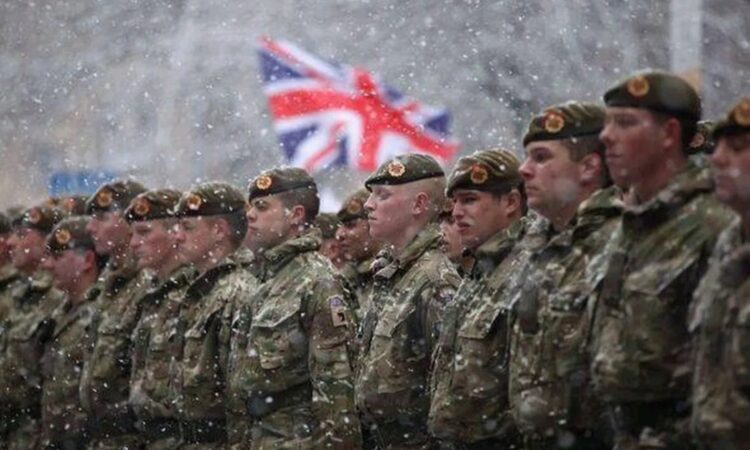
France has announced new plans to strengthen its military at a time when fears are growing about Russia and the wider security of Europe. This move has sparked fresh discussion in the UK about what could happen if a major global conflict, such as a third world war, were ever to break out, and whether Britain could once again introduce compulsory military service.
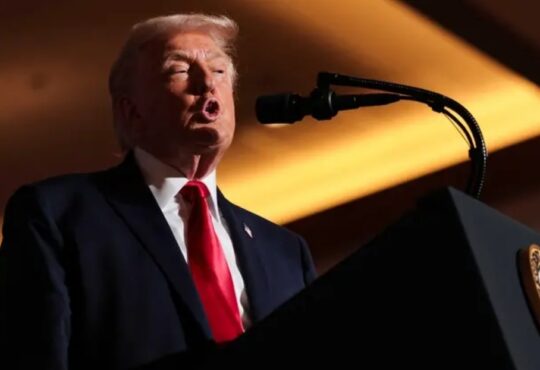
The announcement came from French President Emmanuel Macron, who revealed a new national military service scheme. The idea is to boost France’s armed forces and improve national readiness as concerns continue to rise over Russia’s actions, especially beyond the ongoing war in Ukraine. While the scheme is voluntary, it clearly shows that European leaders are thinking seriously about future conflicts.
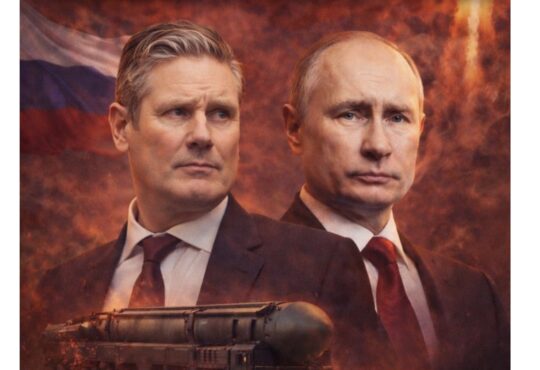
The wider global situation has made many people uneasy. Tensions remain high in several parts of the world, including the Israel–Palestine conflict, and Russian President Vladimir Putin has shown no sign of backing down in Ukraine. Even the Pope has warned that the world could be heading toward a major war within the next decade. In the UK, the government has already advised citizens to be mentally and practically prepared for the possibility of conflict reaching British soil.
Against this backdrop, questions are being raised about what would happen if the UK had to bring back conscription. Looking at history gives some clues. Before World War Two officially began, Britain had already started preparing. In early 1939, as the threat from Nazi Germany grew, the government introduced limited conscription for single men aged 20 to 22. These men were required to complete six months of military training, and around 240,000 registered.
Once war was declared in September 1939, the rules quickly became much stricter. All men aged between 18 and 41 were required to register for military service. There were some exemptions, but they were limited. Men who were medically unfit were excused, as were those working in jobs considered essential to keeping the country running, such as farming, baking, engineering, and medicine.
As the war dragged on and demands increased, the net widened even further. By the end of 1941, women and childless widows aged between 20 and 30 were also called up. The upper age limit for men was raised to 51, and even men aged between 52 and 60 were expected to contribute in some form, even if not on the front lines.
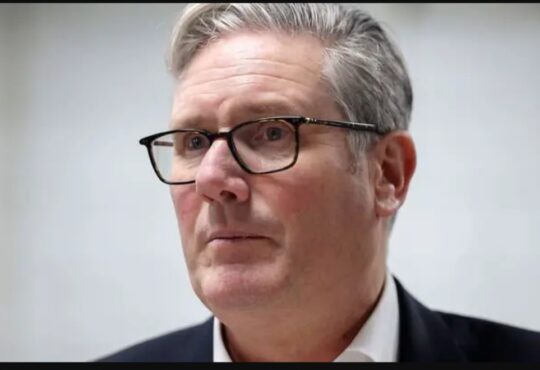
Today, there is no active conscription in the UK, but senior figures have made comments that suggest the country needs to be ready for difficult choices. Prime Minister Keir Starmer has previously said he would be prepared to deploy British troops to Ukraine if needed to defend its progress. Former Defence Secretary Grant Shapps warned that the world is shifting from a “post-war” era into a “pre-war” one. Meanwhile, Britain’s top army officer, Patrick Sanders, has openly argued for a larger army and greater national readiness for conflict.
Public opinion on the issue is mixed. A recent poll by YouGov found that many younger people are reluctant to fight. Around 38 percent of people under 40 said they would refuse to serve if a new world war broke out, and nearly a third said they would not serve even if the UK faced an imminent invasion. At the same time, a large majority supported the idea that women should be conscripted alongside men if conscription were ever introduced again.
It is still unclear what penalties might apply to people who refused to serve in a future war. During World War Two, those who claimed to be conscientious objectors were brought before tribunals. Some were exempted entirely, but many were ordered to carry out compulsory work in areas like agriculture, healthcare, or other vital services instead of fighting.
In France’s case, President Macron has been clear that the new military service scheme will not send young people into foreign wars. Volunteers would only serve within France itself or its overseas territories, not in combat operations abroad. Even so, the move underlines how seriously European governments are now taking the possibility of a much more dangerous and unstable future.