Trump’s ‘America First’ Promise Collapses on Live TV — Netizens Call It, “A Montage of Lies”

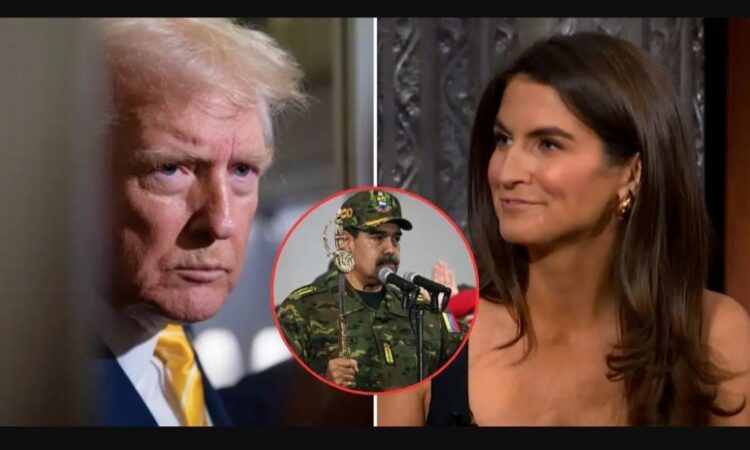
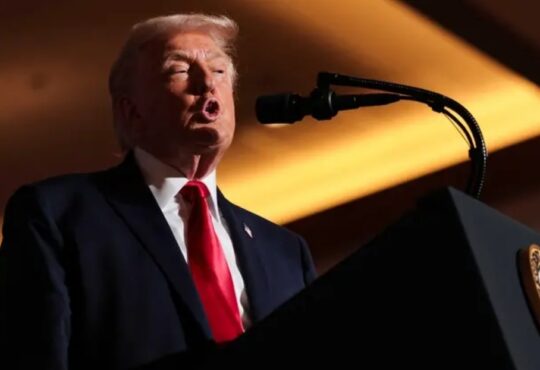
CNN put CNN front and center in the political storm this week by airing a blunt reality check on Donald Trump and his long-repeated “America First” message. On her show The Source, anchor Kaitlan Collins played Trump’s own words side by side, letting viewers judge whether his promises still matched his actions. For many watching, the contrast was jarring.
The clips began with Trump on the campaign trail years ago, telling voters he wanted to keep the United States out of foreign conflicts and stop interfering in other countries. In one older video, he said Americans should not be dragged into fights in places they “know nothing about.” Another clip from his 2024 campaign showed him attacking what he called “stupid foreign wars in countries you’ve never heard of,” language that helped cement his anti-intervention image with supporters.
Then came the most recent footage, recorded just days ago aboard Air Force One. This time, Trump was defending the 2026 U.S. military operation that led to the capture of Venezuelan president Nicolás Maduro. In the same remarks, he also issued fresh threats toward leaders in Mexico and Colombia and even suggested the U.S. could invade Greenland for what he described as “national security” reasons. When placed next to his earlier promises, the shift in tone was impossible to miss.
Collins pointed out that the administration appeared to escalate tensions with multiple countries in less than two days. Online, many viewers said the short montage alone was enough to redefine what “America First” now seems to mean. Social media quickly filled with reactions, with users saying CNN had neatly exposed Trump’s flip-flops. One person wrote that it was “a montage of contradictions and broken promises,” while another said it proved that “campaign Trump and White House Trump are two completely different people.” Others were even harsher, calling it “a montage of lies” and saying the president looked like he was “falling apart in real time.”
The segment also featured an interview with former Republican congresswoman Marjorie Taylor Greene. Once a fierce Trump ally, Greene has recently become one of his critics. While she did not defend the Venezuela operation, she reminded viewers that past U.S. efforts to overthrow regimes in places like Iraq, Libya, and Syria were also sold to the public as acts of liberation, only to later spiral into chaos and terrorism.
Her comments highlighted growing divisions within the Republican base. As Politico has reported, many in the MAGA movement are now split over how to justify Trump’s reversal. Some officials, including Secretary of State Marco Rubio and Vice President JD Vance, argue that the operation was necessary to enforce U.S. drug-trafficking indictments against Maduro. Others say Venezuela falls within America’s “hemispheric defense” responsibilities under an updated version of the Monroe Doctrine. A third group openly supports regime change, claiming Trump handled it more cleanly than previous presidents.
One argument gaining traction online is that because the U.S. is powerful and Venezuela is not, international law should not stand in the way. Still, critics note how far Trump’s rhetoric has drifted from his original promise to avoid foreign entanglements. By letting Trump’s past and present statements play back to back, Collins allowed viewers to see that shift without adding much commentary.
Experts are also sounding alarms. Analysts from Chatham House warned that Trump now owns whatever happens next in Venezuela. They pointed out that there appears to be no clear plan for governance or diplomacy on the ground, and history shows that U.S.-led transitions often end badly. With midterm elections on the horizon, critics are asking whether this prolonged involvement could push away the very MAGA voters Trump needs most.