Starmer just rolled out the red carpet for a man who called Brits ‘dogs and monkeys’

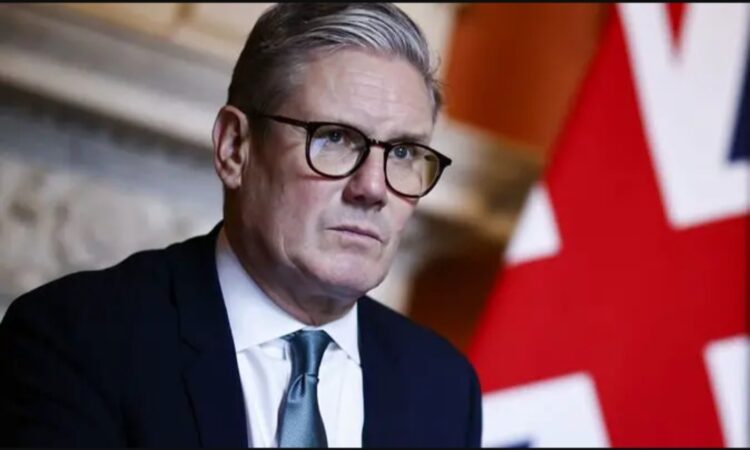
Dissident Alaa Abdel Fattah has been welcomed into the UK, even though there are serious questions about security and growing concern about antisemitism. This has added to criticism of the Government and its judgment.
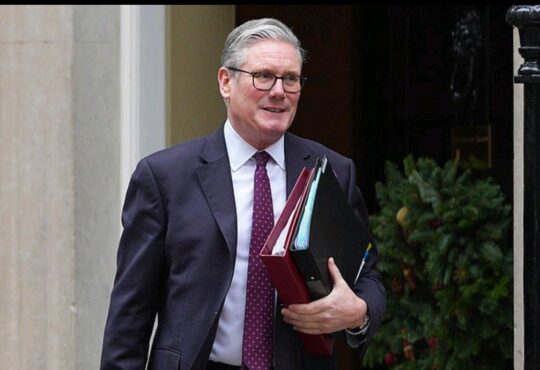
Many people see this as another poor decision by Prime Minister Keir Starmer, who said he was “delighted” to welcome Abdel Fattah to Britain. His comments came at a very sensitive time, just weeks after a deadly attack abroad that killed 15 people, including a 10-year-old girl and a British-born rabbi, and while fears about antisemitism remain high.
The controversy grew after old social media posts surfaced that are said to show Abdel Fattah calling for the killing of Zionists, including civilians, and expressing hatred toward white people. He has also been accused of referring to British people using deeply offensive language. These posts have been described by critics as extremist, and many people believe they should have triggered serious alarm within the UK Government.
Instead of stopping his entry, critics say Britain appeared to roll out the red carpet, with the Prime Minister’s words sounding like a personal endorsement. Abdel Fattah has said that messages shared online were taken out of context, and his supporters argue he has been unfairly targeted for years.
The British-Egyptian activist spent almost a decade in prison in Egypt for opposing how dissidents were treated by the government there. At one point, security forces blocked him from leaving Cairo for London. His case attracted international attention, especially because his 14-year-old son lives in Brighton.
Abdel Fattah first became well known during the 2011 uprising in Egypt that led to the resignation of former president Hosni Mubarak. However, further criticism has focused on anti-Israeli messages he reportedly posted in 2012, which appeared to support violence against Zionists and police.
Jewish groups in the UK have spoken out strongly. The Jewish Leadership Council criticised what it called an overly warm and enthusiastic welcome from the Government, saying it sent the wrong message at a time when Jewish communities already feel under threat.
Abdel Fattah was released from prison in September after years of campaigning by his family and supporters. But his arrival in Britain has been linked by critics to wider political choices by Labour, including the decision to recognise Palestine, which they argue has prioritised politics over peace and encouraged extremists.
For more than two years, large demonstrations in London featuring pro-Palestinian supporters have taken place, and these protests have coincided with a sharp rise in anti-Jewish incidents. Many fear this has helped fuel anger and division rather than calm tensions.
After the Second World War, thousands of Jews, a people who were targeted for extermination by the Nazis, found safety and a future in Britain. Today, many feel that sense of safety is slipping away. Polling suggests more than half of British Jews now feel they may not have a long-term future in the UK. Nearly half say they do not feel welcome, and a majority have considered leaving the country. While the October 7 attacks in 2023 are often cited as a turning point, many also point to deeper, long-standing prejudice and antisemitism in politics and wider society.
Campaigners say the blame lies with weak leadership, inconsistent policing, and a failure to confront extremists firmly. Campaign Against Antisemitism has warned that unless politicians and police leaders find the courage to act decisively, Britain risks sliding further into a dangerous place shaped by fanaticism.