Single-Day Entry of Illegal Boat Migrants into the Uk Reveals Second-Worst Small Boats Year Ever as Border Fury Grows

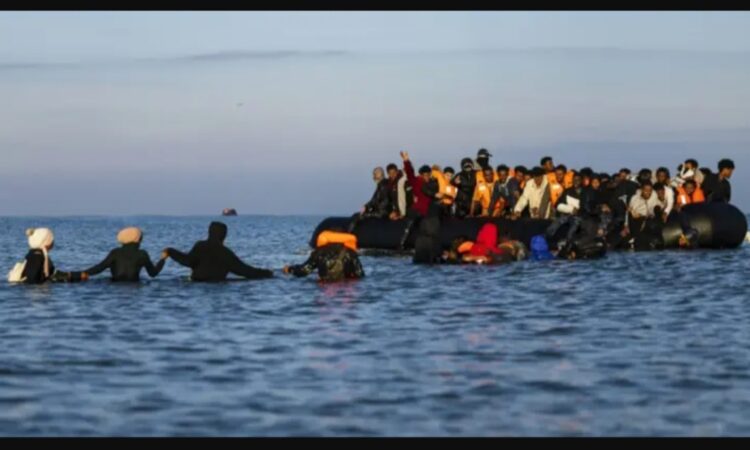
As 2025 comes to an end, pressure is growing on the Labour Party government after new figures showed this year has recorded the second-highest number of small boat crossings in recent history.
The numbers have renewed concerns about border control and raised uncomfortable questions for ministers who promised voters they would bring the situation under control.
The English Channel has long been seen as a political test for governments in Britain, and right now it is sending worrying signals to Number 10. Despite strong campaign language about cracking down on people-smuggling gangs, the reality on the ground suggests the crossings have continued at a relentless pace. As the year closes, the picture for the government looks increasingly bleak.
Official figures released by the Home Office confirm that more than 41,000 people have crossed the Channel so far this year. That makes it one of the highest totals ever recorded, in one of the world’s busiest and most dangerous shipping routes. These figures are especially damaging for a government that made border security one of its key priorities.
What has alarmed critics even more is that the usual winter slowdown has failed to materialise. December is typically quieter because of rough seas and cold weather, but this year has broken that pattern.
On one Saturday alone, 803 people arrived in the UK by small boat, the highest number ever recorded for a single day in December since records began in 2018. That late surge pushed the monthly total to more than 2,100 arrivals, showing that even harsh conditions are not stopping people from attempting the crossing.
Although December’s total was still lower than the record high seen last year, the continued flow has left the Home Secretary under intense pressure. Questions are being asked about whether current policies are acting as any real deterrent at all, or whether smugglers have simply adapted and carried on regardless.
For much of the year, it looked as though 2025 might become the busiest year ever for illegal crossings. While it has ultimately fallen just short of that unwanted record, it now ranks as the second-highest year on record. Only 2022, when more than 45,000 people crossed under the previous Conservative government, saw a higher total.
This means Keir Starmer has spent his first full year in office facing charts and figures that critics say show a failure to regain control of the borders. Opponents argue that Labour’s decision to move away from earlier policies has left a gap that organised smuggling gangs have been quick to exploit.
The political reaction has been fierce. Both the Conservatives and Reform UK have seized on the numbers as proof that the system is broken. They argue that Labour’s focus on long-term international solutions and overseas cooperation has done little to stop the daily arrivals being recorded at places like Dover.
In response, the government has pointed to recent diplomatic efforts aimed at tackling migration routes before people reach the Channel. The UK has finalised a new agreement with Greece, designed to disrupt smuggling networks, alongside £1.5 million in funding for programmes in North Africa. Ministers say these steps are part of a broader plan to reduce crossings over time.
There is also hope that tougher action by European partners will help. Germany has recently introduced stricter laws that could see people smugglers jailed for up to 10 years if they are caught organising journeys specifically bound for the UK. The government believes this could act as a stronger deterrent further along the route.
Closer to home, Labour continues to rely heavily on its “one in, one out” returns agreement with France. The deal is meant to allow quicker returns of migrants who arrive illegally, but it has been repeatedly criticised by the opposition, who say it lacks the strength needed to deter people waiting in camps around Calais.
As the final boats of 2025 are processed, both the human and political cost of the crisis continues to grow. The government’s promise to significantly reduce crossings still feels far off, and many in the public are left wondering when, or if, the tide will finally turn.