

Keir Starmer’s promise to “smash the gangs” behind small-boat crossings is now facing serious trouble, as French police unions have flatly refused to carry out the most aggressive parts of the plan. What was meant to be a tough new approach to stop boats before they reach Britain is now looking weak and unworkable.
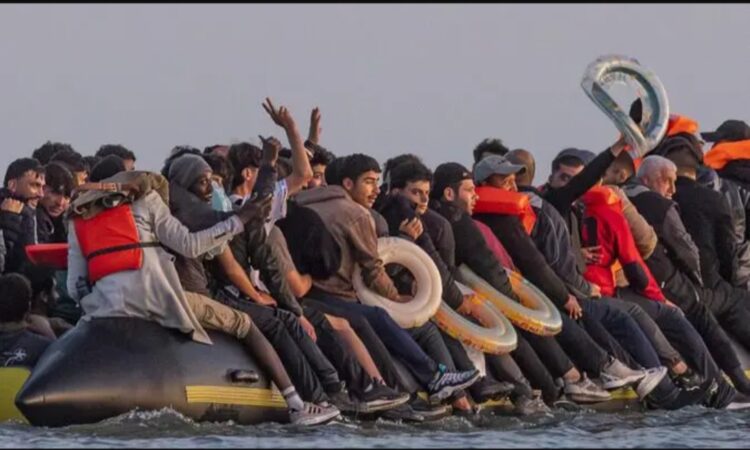
The plan involved French police stopping migrant dinghies before they crossed the Channel, including damaging engines or disabling propellers so the boats could not continue their journey. But France’s biggest police unions have said they will not take part in this, warning that it is extremely dangerous and could easily lead to people dying at sea.
Police union leaders say many of the boats are overcrowded, unstable, and filled with desperate people, including women and children. Intervening at sea, especially by forcing boats to turn back or damaging them, could cause panic, capsizing, or drownings. They have made it clear that officers could face criminal charges if anyone dies during such operations, and they are not willing to take that risk.
Alliance, the largest police union in France, has been particularly outspoken. Senior figures have warned that stopping boats once they are in the water is “extremely dangerous” and that officers should not be put in a position where they could be blamed for deaths. French prosecutors have backed this view, saying they will not waive criminal liability if something goes wrong. In simple terms, if migrants drown, police could be taken to court.
This has completely undercut the agreement reached earlier this year between Keir Starmer and Emmanuel Macron. After months of pressure from the UK, France had agreed in July to allow police to intervene in shallow waters before boats fully set off. Starmer argued there was “no effective deterrent” in the Channel and pushed hard for tougher action to stop crossings at the source.
At the time, French maritime authorities said the aim was to protect lives by stopping dangerous journeys before they began. But police unions now say the theory does not match the reality. They argue that even shallow-water interventions are unpredictable and that conditions can change quickly, turning a planned stop into a deadly situation.
The French Navy has also warned against interfering with boats at sea, saying such actions could easily end in disaster. According to naval officials, overcrowded dinghies can capsize in seconds, especially if panicked passengers move suddenly or if a boat is damaged while still afloat.
Despite all this, the UK Home Office insists the government is still committed to working closely with France to reduce crossings and disrupt smuggling gangs. Officials say cooperation continues and that the goal of cutting numbers has not changed. However, critics argue that without real enforcement on the French side, the policy has little chance of success.
Shadow Home Secretary Chris Philp has attacked Starmer’s approach, calling it a political gimmick that was never realistic. He says Starmer has effectively admitted there is no real deterrent and claims illegal crossings have increased since Labour scrapped the Rwanda deportation scheme. Philp argues that leaving the European Convention on Human Rights is the only way to allow fast deportations and truly stop the boats, a stance Labour strongly opposes.
For many voters, this latest setback reinforces the feeling that the government has no clear or workable solution to small-boat crossings. With French police refusing to act, legal risks blocking tougher measures, and crossings continuing, Starmer’s headline promise to “smash the gangs” now looks badly weakened, leaving the government under growing pressure to explain what comes next.