Labour’s small boats shame revealed as bombshell charts show scale of crisis in 2025

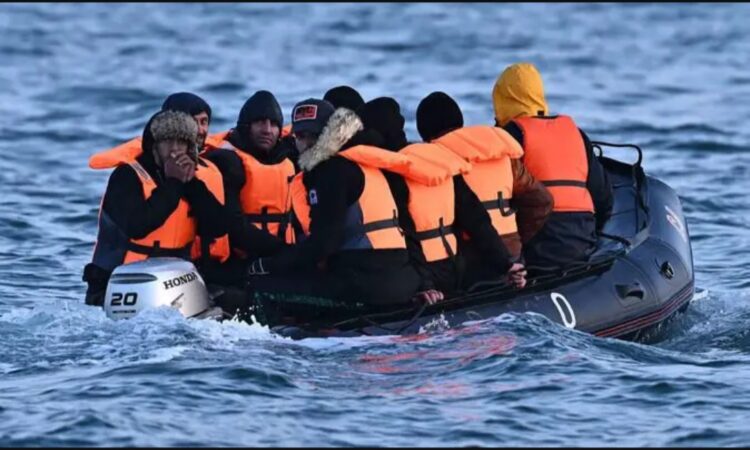
New data released by the Home Office shows that the number of people arriving in the UK by crossing the English Channel in small boats has continued to rise steadily throughout the year, right up to the final week of December. With only days left before the year ends, the figures make clear that 2025 is on course to become the second-highest year on record for small-boat crossings, highlighting how difficult the problem has been for successive governments to control.
So far this year, more than 41,000 people have made the journey across the Channel in small, often overcrowded boats. On Saturday alone, 803 people arrived, setting a new record for the highest number of arrivals on a single December day since records began in 2018. This has surprised many observers, as December is traditionally one of the quietest months for Channel crossings due to rough seas, colder temperatures, and fewer daylight hours, all of which usually discourage attempts.
In total, 2,163 people arrived during December alone. While this figure is lower than the record-breaking December of 2024, when 3,254 people crossed, it is still far higher than what would normally be expected at this time of year. Charts tracking arrivals show that numbers have risen consistently month after month, with no sustained drop even during periods of bad weather.
Although 2025 is now unlikely to overtake 2022 — the worst year on record, when 45,755 people crossed the Channel under the previous Conservative government — analysts note that this year had been on track to break that record until around September. During the summer months, crossings surged sharply, and while the pace slowed slightly later in the year, it never fell enough to reverse the overall trend.
The figures have intensified political pressure on Keir Starmer and the Labour Party, who came into office promising to reduce small-boat arrivals by targeting people-smuggling gangs and improving international cooperation. As the year closes, critics argue there is little visible evidence that these policies have yet made a meaningful impact on the numbers.
Opposition parties have seized on the data. The Conservative Party and Reform UK have repeatedly accused the Government of failing to secure the border, saying the steady rise in crossings undermines public confidence and places further strain on housing, asylum processing, and local services. The issue continues to dominate headlines and remains one of the most emotionally charged topics in British politics.
In response, the Government says it is focusing on tackling what it calls the “upstream” causes of migration. This includes working more closely with other European countries to disrupt smuggling networks before migrants reach northern France. Last week, the UK signed a new migration agreement with Greece, alongside £1.5 million in additional funding for programmes in North Africa aimed at addressing the reasons people leave their home countries, such as conflict, poverty, and instability.
Elsewhere in Europe, Germany has passed new legislation that could see people smugglers jailed for up to 10 years if they attempt to facilitate crossings to the UK. British officials see this as a potentially important step in increasing the risks for criminal gangs that profit from the dangerous journeys.
At the same time, Labour’s much-publicised “One in, One out” returns pilot with France remains in place. Under the scheme, some people who arrive illegally are returned, while others are allowed to come through legal routes. However, critics argue the numbers involved are too small to act as a serious deterrent and say the policy sends mixed signals to those considering the crossing.
As 2025 comes to an end, the latest figures underline just how entrenched the Channel crossings problem has become. Despite tougher language, new international agreements, and promises to dismantle smuggling gangs, the steady flow of arrivals suggests that no simple solution is in sight. For many voters, the numbers raise questions about whether the Government can deliver on its pledges, while for policymakers, they highlight the scale of a challenge that continues to test the UK’s borders, asylum system, and political stability.