Labour Faces BACKLASH as Millions Could Be BLOCKED From Voting Amid Fears of Election Delays

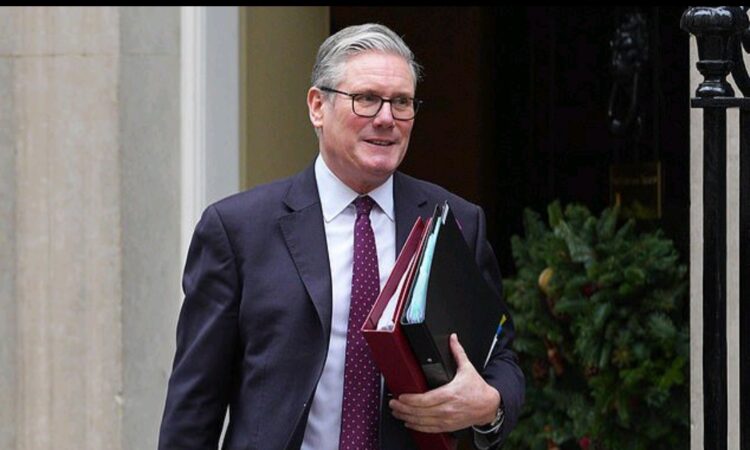
Fresh concerns are growing that millions of people across Britain could be shut out of voting for years if Labour continues to delay elections, with critics warning that fear of defeat is now driving political decisions rather than democratic principles.
A senior polling expert has warned that anxiety inside the Labour Party about a heavy defeat at the polls is increasingly shaping its actions.
According to Lord Hayward, the prospect of a disastrous result in the May elections is now weighing heavily on party thinking, and this could lead Keir Starmer to postpone even more votes to limit political damage. He suggested that avoiding embarrassment at the ballot box may be taking priority over letting the public have their say.
The pollster believes Labour is heading for a particularly bad outcome if elections go ahead as planned, while Reform UK is expected to benefit most from public anger and frustration.
He warned that a poor showing would not only hurt Labour nationally but would also add serious pressure on the Prime Minister, increasing criticism of his leadership and direction. At the same time, he said the position of Conservative leader Kemi Badenoch appears to be strengthening, as voters look for alternatives and Labour’s support weakens.
Lord Hayward openly questioned whether voters can trust that future elections will actually take place. He said he is not convinced that further polls will not be cancelled, pointing to uncertainty in several counties over how local government will be reorganised.
In his view, Labour may use these structural changes as justification to delay elections, even though the result is that ordinary people are left without a voice.
This is not a theoretical concern. Millions of voters in areas including Essex, Hampshire and the Solent, Sussex and Brighton, and Norfolk and Suffolk have already lost the chance to vote in mayoral elections until 2028.
For many residents, that means going almost a decade without having a say in who leads their region. On top of this, nearly ten million more people could see their local elections delayed until 2027 after the Government contacted more than 60 district and county councils to ask whether they wanted to suspend elections scheduled for May 2026.
Labour has defended these decisions by arguing that councils need more time to merge into new unitary authorities as part of its local government reform plans. The party says holding elections during this transition would be confusing, inefficient, and disruptive, and that delaying votes will lead to a smoother system in the long run.
Critics, however, say this explanation does not add up. They argue that democracy should not be paused for convenience, and that reorganisation has never stopped elections in the past.
Reform UK leader Nigel Farage has gone further, accusing the Prime Minister of dragging Britain in the direction of a “banana republic,” where elections are delayed or manipulated to suit those in power.
For many voters, the issue is not just about party politics but about trust. Delaying elections risks deepening public cynicism and the feeling that ordinary people are being ignored.
While Labour insists its plans are about long-term reform and stability, opponents believe the real fear is a public backlash at the ballot box. As more votes are postponed and timelines pushed back, questions are growing louder about when millions of Britons will finally get their democratic voice back, and whether delaying elections is becoming the new normal rather than a rare exception.