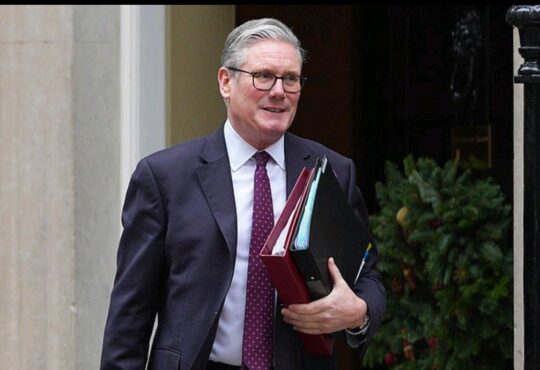

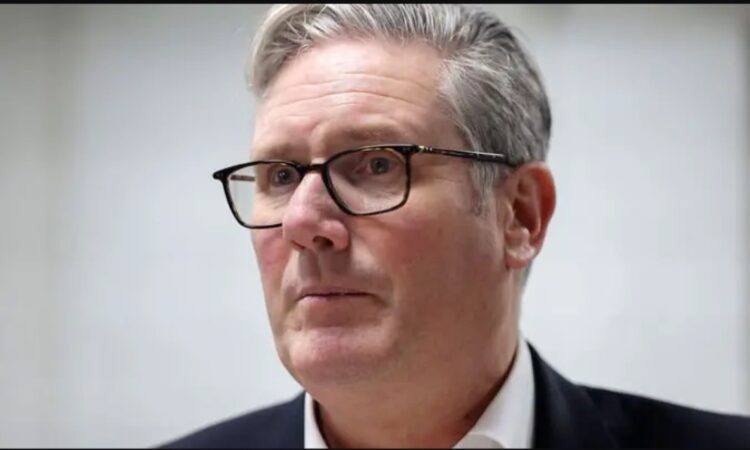
Betting markets are painting a bleak picture for Keir Starmer as 2025 comes to an end, capping what many see as a deeply damaging year for the Prime Minister. His personal popularity has fallen to levels rarely seen for a British leader, and confidence in his long-term future appears to be fading fast.
Bookmakers now strongly expect Sir Keir to leave Downing Street in 2026. According to figures compiled by Oddschecker, a departure next year is the clear favourite, with odds suggesting around a 60 percent chance. In just the past 24 hours, an overwhelming majority of bets have backed a 2026 exit, showing how widespread the doubts have become among punters.
Leaving in 2027 is the next most popular option, but far fewer people are backing that outcome. The chances of Sir Keir staying until 2029 or later are seen as even slimmer, while an exit in 2028 attracts only limited support. A resignation or removal before the end of 2025 is viewed as extremely unlikely.
A spokesperson for Oddschecker said the surge in betting reflects growing pressure on the Labour leader after a very difficult year for the party. They noted that almost all recent bets have focused on Sir Keir leaving in 2026, with only a small number backing a later date.
These betting trends mirror his collapsing public standing. Recent polling by YouGov in December showed just 18 percent of people viewing him favourably, while more than seven in ten held an unfavourable opinion. That leaves him with a deeply negative net rating of minus 54, one of the worst ever recorded for a UK prime minister. It puts him in the same territory as Boris Johnson on the day he resigned.
Sir Keir came into office in July 2024 after a landslide election victory, but his time in power has been overshadowed by repeated controversies. Early on, Labour faced criticism over ministerial freebies, including expensive clothing for the Prime Minister’s wife and luxury gifts linked to donor Lord Alli. These stories damaged Labour’s image at a time when the government was asking the public to accept spending restraint.
Policy decisions also triggered anger. Cuts to winter fuel payments for pensioners sparked a strong backlash, while a tax-raising Budget from Chancellor Rachel Reeves added to concerns that the government was mishandling the economy and the cost-of-living crisis.
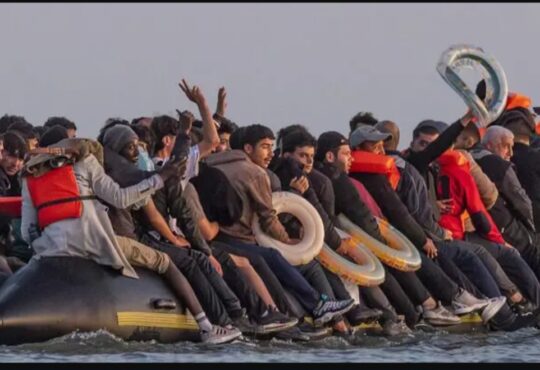
Immigration has become one of the most divisive issues. Sir Keir’s tough language, including warnings that Britain risked becoming an “island of strangers,” upset many supporters who felt it echoed rhetoric usually associated with the far right. At the same time, record numbers of small boats continued to cross the Channel, leading critics to say his hard talk was not matched by results. Proposals to weaken or sidestep the European Convention on Human Rights in response to populist pressure further alienated progressive voters.
Problems inside the party have added to the sense of chaos. The resignation of Deputy Prime Minister Angela Rayner over a housing-related scandal, the dismissal of Peter Mandelson as US ambassador, and ongoing internal arguments have all raised questions about Labour’s stability and leadership.
Even many people who voted Labour in 2024 now appear disillusioned. Polls show majorities unhappy with the government’s handling of the NHS, the cost of living, and immigration. That shift has been reflected in national surveys, with Labour falling behind Reform UK in several recent polls.
Speculation about leadership challenges has become constant, with names such as Wes Streeting and Andy Burnham frequently mentioned as possible contenders. Sir Keir has publicly insisted he will face down any challenge and lead the party into the next general election, but the rumours refuse to go away.
As the year closes, the betting markets are reflecting a growing belief that his time in office may be shorter than expected. With Labour struggling in the polls and his personal ratings at record lows, many now think his premiership may not survive beyond next year.