Fury as Illegal Migrants Waiting to Be Deported Get Taxpayer-Funded Phones and Free Wi-Fi


Anger is continuing to spread across the UK after it was revealed that illegal migrants who are waiting to be deported are being given free mobile phones paid for by taxpayers. Many people say the news has left them feeling frustrated and betrayed, especially at a time when millions of households are cutting back, struggling with rent, energy bills, food prices, and higher taxes.
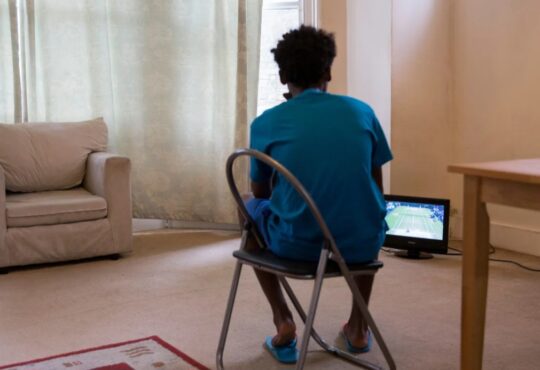
The phones are being handed out to detainees at Campsfield House in Kidlington, Oxfordshire, which recently reopened. The centre currently holds around 160 people, but this number is expected to rise to about 400.
These are people who have no legal right to stay in the UK and are waiting to be removed from the country. As part of the detention arrangements, each detainee is given a mobile phone with a direct phone number and guaranteed Wi-Fi access. The phones do not have cameras and only allow limited internet use, and detainees must return them before they are deported or released .
The cost of these phones is being covered by the taxpayer as part of a £140 million contract to run the site. On top of that, around £70 million was spent on major building work to restore the centre, even though it had never been properly demolished in the first place. Official contract documents also show that detainees are entitled to additional services while being held, including art lessons, maths tutoring and on-site NHS medical treatment, all funded by public money .
For many people, this has crossed a line. Critics say it feels wrong that people who entered the country illegally are being given free phones, accommodation, healthcare and other support, while British citizens are being told to accept cuts, delays and rising costs. Some have pointed out that many pensioners, low-income families and disabled people struggle to afford a decent phone or internet access, yet are effectively paying for these services for detainees through their taxes.
Senior figures have also spoken out. Shadow Justice Secretary Robert Jenrick described the situation as ridiculous, saying foreign criminals should not be handed smartphones. He said it sends the wrong message and shows how weak and soft the system has become. Robert Bates from the Centre for Migration Control echoed those concerns, arguing that hardworking Britons are being hit with tax rises while people who have broken immigration laws receive what he described as “freebies” they do not deserve .
There are also growing worries about security risks. Critics warn that even limited internet access could allow detainees to contact people smugglers or others involved in illegal Channel crossings. While no specific evidence has been presented to prove this is happening, many say the risk alone should be enough to rethink the policy.
The Home Office has defended the move, saying the phones are necessary so detainees can contact lawyers, embassies and officials while their cases are processed. The government says it is increasing removals of people with no right to be in the UK and claims nearly 50,000 people have already been removed. It also says Campsfield House is just the first step in a wider expansion of secure detention centres .
Despite these explanations, the anger has not died down. For many members of the public, this story has become a symbol of what they see as a broken and unfair system. They say it is not just about mobile phones, but about priorities, fairness and whether the government truly understands the pressure ordinary people are under.