FURY as David Lammy Faces Anger Over Compensation Paid to Convicted Islamist Terrorist

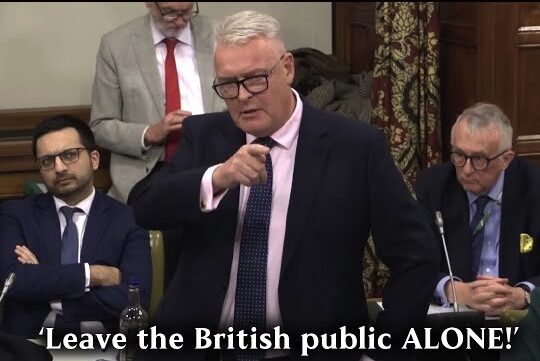
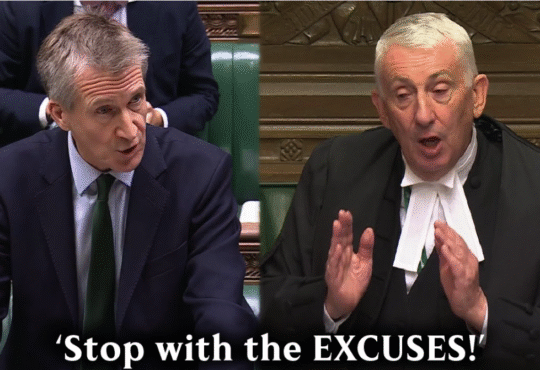
A fierce and emotional clash erupted in Parliament after a senior opposition figure accused the government of preparing to hand compensation to a man described as one of the most dangerous criminals in the country.
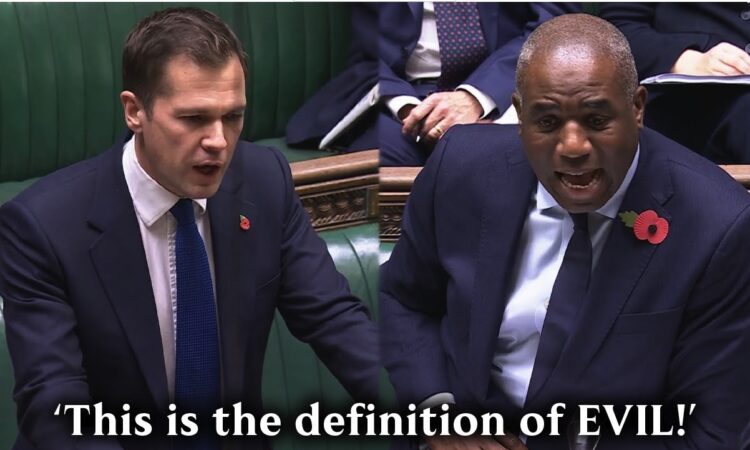
Raising the issue in the Commons, the Shadow Secretary of State spoke in blunt and angry terms. He described Fawood Awal as an extremist and a double murderer who later went on to take a prison officer hostage. He reminded MPs that Awal had even demanded the release of radical cleric Abu Qatada, a name that has long symbolised extremism and national security threats in Britain. According to him, Awal represents the very worst of society, someone who has shown no regard for human life or the rule of law.
The shadow minister told the House that, despite this background, the Justice Secretary’s department is now facing the prospect of paying Awal compensation. He said the claim is reportedly linked to Awal’s human rights, arguing that those rights were breached because he was not allowed to associate with other extremist prisoners, including individuals linked to the murder of Lee Rigby. He said the idea that such a man could receive taxpayers’ money for this reason would leave ordinary people furious and disgusted.
He then pressed the Justice Secretary for a clear and simple answer. Would the government guarantee that not a single penny of public money would be paid to this man? He accused ministers of hiding behind legal technicalities and international conventions instead of standing up for victims, prison staff, and the wider public. In a pointed and provocative challenge, he said that if compensation was paid, the Justice Secretary should pay it himself rather than forcing taxpayers to foot the bill.
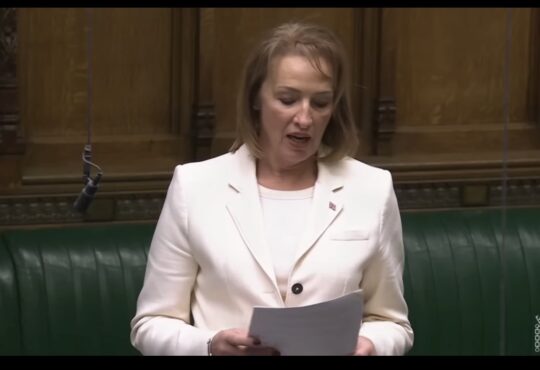
The Justice Secretary responded by pushing back strongly. He accused the opposition figure of using inflammatory language to grab headlines rather than dealing honestly with how government works. He said court judgments and their consequences, including compensation payments, have been an issue for governments of all political stripes for decades. This was not a new problem, he argued, and it was not created by the current administration.
He told the House that governments do not simply choose who to compensate based on public anger or moral outrage. When courts make rulings, ministers are legally bound by them, even when the outcome is deeply uncomfortable. He stressed that the UK has long been committed to international human rights law, including the European Convention on Human Rights, and that commitment has been shared by successive governments over many years.
His remarks were met with applause from some MPs, while others looked visibly frustrated. The exchange exposed a deep divide in Parliament and in the country. On one side are those who believe human rights laws are being exploited by the most dangerous criminals, undermining public trust and common sense. On the other are those who argue that the rule of law only matters if it applies to everyone, even people society finds abhorrent.
As the debate ended, one thing was clear. The issue is not just about one prisoner or one compensation claim. It reflects a much wider argument about justice, human rights, public safety, and whether the current legal framework still matches the expectations of the British public.