New Figures Show The Free Benefits Asylum Seekers Are Getting That British Homeless People Are Not Getting, And It Has Started A Big Debate

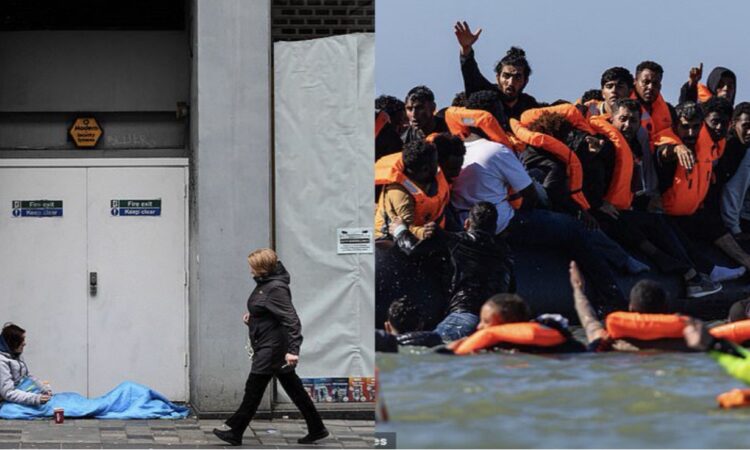
Nineteen local council areas in England are now housing more than ten times as many asylum seekers as they are homeless households, according to an analysis by the Daily Mail.
The biggest gap was found in Hyndburn in Lancashire. Government figures show 423 asylum seekers are being housed in the borough, compared to just 14 homeless households living in temporary accommodation.
The findings are laid out in an interactive map produced by the Mail which shows the breakdown for every local authority.
The analysis follows the case of a 26-year-old woman who was 34 weeks pregnant and left homeless in Glasgow. She had fled an abusive relationship in London but was refused emergency accommodation by Glasgow City Council, even though more than 3,700 asylum seekers – mostly men – are living in state-funded accommodation in the city.
The charity Homeless Project Scotland highlighted her case on Facebook. The woman arrived at its shelter in central Glasgow on the night of Tuesday, September 29. Volunteers contacted the council’s out-of-hours service, but during a long interview she was reportedly told to go back to London to find housing.
The charity’s manager, Sebastian Tuszynski, claimed in a video that a council worker told the woman her unborn baby had “no human rights”. Chief executive Colin McInnes said when he told the council the charity was full and could not keep her overnight, officials replied: “Unfortunately this lady is going to have to sleep on the streets because we won’t be accommodating her.”
She spent that night on a mattress on the floor of the night shelter before leaving in the morning. Volunteers later found her again and referred her back to social services. More than a week later, the charity said she was still staying at its shelter. McInnes described it as one of the most distressing cases he had seen.
The charity also shared another case of a homeless man in a wheelchair with one leg who was refused emergency accommodation after midnight because there was no accessible room available.
Glasgow houses over 3,700 asylum seekers, more than half of Scotland’s total of around 6,500. Figures show there were 3,895 applications for homelessness support in Glasgow between April and September last year, with 1,685 of those – 43% – from people with refugee status or leave to remain, not including Ukrainians.
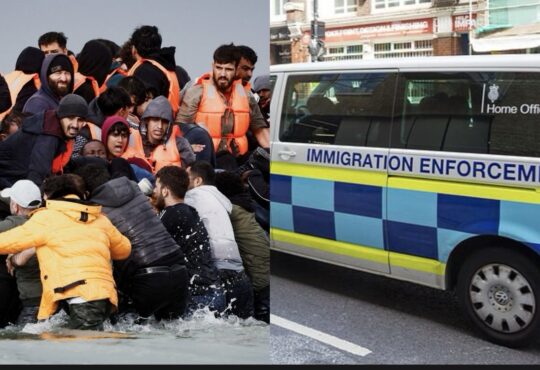
According to Home Office data, more than 74,000 asylum seekers were being housed across England at the end of June – roughly the population of a town like St Albans or Woking. By comparison, there were 123,000 homeless households in temporary accommodation across England as of March. On average a homeless household contains about 2.5 people.
There is no national figure for the number of individual homeless people in temporary accommodation per council, so the only direct comparison available is between the number of individual asylum seekers and the number of homeless households.
Twelve councils did not publish homeless household data and were left out of the analysis. Scotland, Wales and Northern Ireland were also excluded because their data is recorded differently.
Critics say the figures show how pressure on the asylum system is affecting support for vulnerable British people. Robert Bates, Research Director at the Centre for Migration Control, called it a “two-tiered approach”, saying:
The political class have at every turn prioritised illegal migrants over British citizens. Tens of thousands of asylum seekers are instantly found accommodation in hotels and HMOs whilst many Brits who have fallen on hard times are left to fend for themselves.”
He added that the asylum system is having a “very real and detrimental impact” on support for the most vulnerable and that it should be “a source of national shame” that scarce resources are being diverted.
While asylum seekers wait for a decision on their claim, the Home Office has a legal duty to house them if they need it. If their claim succeeds they are recognised as refugees, allowed to work and entitled to full benefits, at which point councils become responsible for housing if needed. Councils operate a priority system based on children and vulnerability, so some refugees may also be counted as homeless.
Asylum seekers in Home Office accommodation also receive NHS healthcare, prescriptions, dental care, and schooling for children under 18, including potential free school meals. People in homeless temporary accommodation receive benefits such as Universal Credit, and some hostels provide food through service charges.
Critics point out that many homeless people have paid council tax and contributed to the system for years, unlike newly arrived asylum seekers. In some areas, council efforts to block-book hotels for homeless people have been outbid by Home Office contractors looking for asylum accommodation.
Prime Minister Andy Burnham has pledged to get all rough sleepers off the streets by Christmas, backing the plan with an extra £102 million from the housing department on top of £340 million already announced, although he has admitted funding alone may not be enough and has called for community support.
A government spokesperson said: “Asylum seekers are not eligible for social housing, and asylum accommodation does not give asylum seekers access to council housing or preferential treatment on local housing waiting lists.
We are working to fairly house asylum seekers across the country and will close every asylum hotel by the end of this Parliament – a process which has already helped to save taxpayers £1 billion since the general election. Instead, we are moving asylum seekers into alternative accommodation, including former military sites, to reduce impact on local communities.”