Two-Year-Old Boy Was Crying on Migrant Boat When Human Traffickers Allegedly Did Something Horrific in Front of His Mother

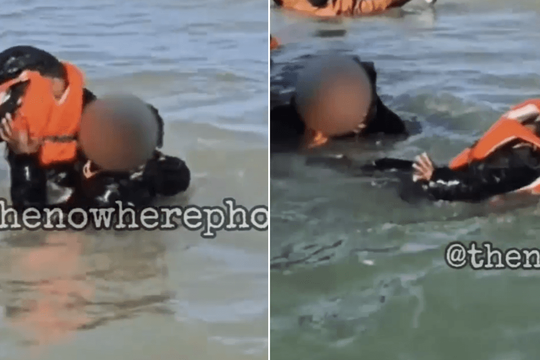
A two-year-old boy was allegedly thrown into the sea by human traffickers because they did not want to listen to him crying, according to a senior emergency services official in Spain.
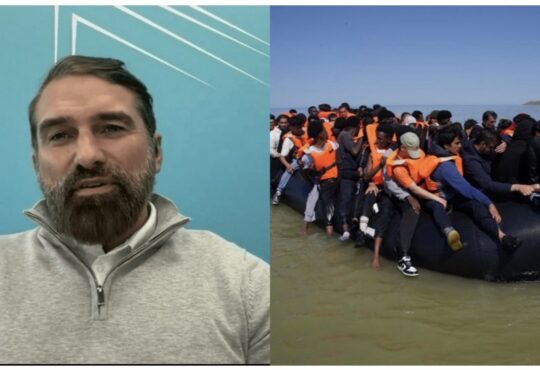
The disturbing claim was made by Enrique Espinosa, who is in charge of Lanzarote’s Emergency Services Consortium. He spoke about the incident during a radio interview while discussing some of the horrific experiences migrants have reportedly faced while making dangerous sea journeys towards the Canary Islands.
Mr Espinosa had been asked about a separate case involving the alleged gang rape of a woman during a migrant boat crossing. The radio presenter asked him whether he had ever heard of anything as terrible as the allegations surrounding that case.
His answer suggested that emergency workers had encountered even more disturbing stories.
Mr Espinosa claimed that during one crossing, a two-year-old child was crying while travelling on a boat with his mother. According to his account, the people controlling the journey became frustrated by the sound of the child crying and threw the little boy into the water.
He said the incident happened in front of the child’s mother.
Mr Espinosa did not give a date for the alleged incident or provide further details about what happened to the child afterwards. It was therefore unclear from his comments exactly when the reported event took place or whether there had been a separate police investigation into it.
However, he used the story to describe what he said were extremely cruel conditions faced by some migrants during dangerous sea crossings organised by trafficking networks.
He explained that passengers can be treated very differently depending on their position on the boat. Some are reportedly forced into cramped areas underneath other passengers, while others are allowed to remain above them.
According to Mr Espinosa, listening to survivors describe what happens during some of these journeys can reveal an alarming level of cruelty.
He said the stories sometimes appear to show a complete lack of humanity and argued that more must be done to stop criminal trafficking networks from putting people’s lives at risk.
His comments came as authorities in Lanzarote were dealing with another serious case involving a woman who said she had been sexually assaulted by several men while travelling on a migrant boat.
Spanish police announced that three men, aged 21, 25 and 30, had been arrested over the alleged attack.
Police said the alleged sexual assault took place at sea on September 16 during a dangerous journey towards Lanzarote. Authorities believe the boat was in international waters when the alleged attack happened.
The woman reportedly told emergency workers about the alleged assault after the vessel eventually reached Arrecife, the capital of Lanzarote.
Police said she was in a serious condition and was given immediate assistance before receiving specialist support.
Investigators from the National Police’s Family and Women’s Assistance Unit began looking into her allegations.
According to police, officers also found another passenger from the same vessel who said he had witnessed the alleged incident.
The three suspects later appeared before a court and were remanded in prison while the criminal investigation continued. Their nationalities were not immediately made public.
The case was part of an already tragic journey.
The people on the boat were reported to have departed from Tan-Tan in southwestern Morocco before attempting the long Atlantic crossing towards the Canary Islands.
The journey reportedly lasted around five days, and those on board were said to have run out of drinking water during the later stages of the crossing.
After reaching Lanzarote, survivors reportedly told authorities that around 10 people had gone overboard during the journey.
However, organisations assisting the migrants later suggested that the number of people missing could have been closer to 14.
If those estimates are correct, the possible number of deaths connected with the crossing could be around 17.
Some people were also believed to have fallen into the sea during the rescue operation itself.
Reports suggested panic broke out as Spanish coastguard vessels approached the overcrowded migrant boat to provide assistance. In situations involving small and heavily loaded vessels, sudden movement can make an already dangerous situation even worse.
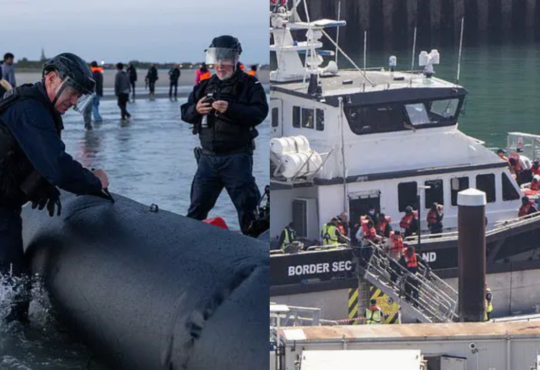
The Spanish coastguard vessels Salvamar Al Nair and Salvamar Acrux were involved in the rescue operation.
The incidents came during a particularly busy period for emergency services around Lanzarote.
More than 450 migrants were reported to have been rescued in waters near the island over a period of just a few days.
In another series of operations, 262 people travelling on four separate vessels were intercepted by Spanish coastguards near Lanzarote between Wednesday afternoon and the early hours of Thursday morning.
The Canary Islands have become a destination for people attempting the dangerous Atlantic migration route from the coast of West Africa and Morocco.
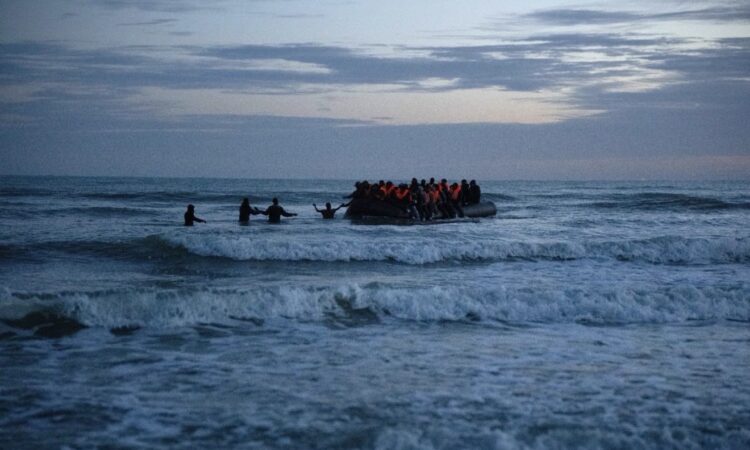
The journeys can involve several days at sea in small boats carrying large numbers of people. Those travelling may face dehydration, rough seas, overcrowding and other serious dangers before they reach land.
The allegations described by Mr Espinosa also highlight another danger: the possibility of violence and abuse taking place during the journey itself.
People travelling on these boats can spend days in extremely difficult conditions, sometimes with little food or water and limited ability to escape dangerous situations.
Mr Espinosa said some of the stories emergency workers hear from survivors are difficult to imagine until the people involved begin explaining what they experienced.
His claim involving the two-year-old child was one example he gave to show the level of cruelty he says can occur during these journeys.
But important details about that particular allegation remain unclear. He did not say when the child was allegedly thrown overboard, where the boat was at the time, whether the child survived or whether anyone was arrested over the alleged incident.
The separate sexual assault case, however, is now the subject of an official criminal investigation.
Spanish police said the three arrested men are suspected of taking part in a multiple sexual assault against the woman during the crossing.
An investigating judge is overseeing the case and will determine how the proceedings move forward.
For emergency workers in Lanzarote, the latest arrivals have meant dealing not only with people exhausted by dangerous journeys at sea, but also with accounts of deaths, disappearances and alleged violence.
Behind the numbers are individual passengers who may have spent days on overcrowded vessels with little protection if something goes wrong.
The allegation involving the two-year-old boy is particularly disturbing because of his age and the claim that his crying was the reason he was thrown into the water.
For now, many details surrounding that reported incident remain unknown, including exactly when it happened and the fate of the child.
What is clear from the emergency official’s account is that he believes some of the experiences described by migrants arriving in Lanzarote reveal the extreme dangers and brutality that can exist on trafficking routes across the sea.