Five groups of Britons most likely to be called up if the UK brings back conscription in World War III

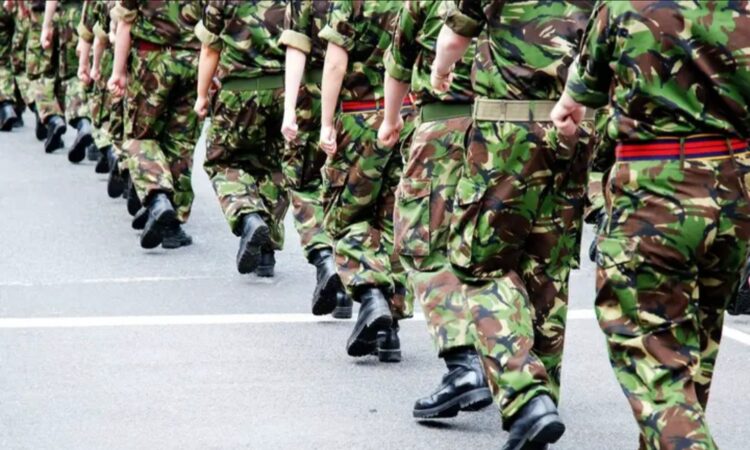
Tensions around the world continue to rise, and at the same time the number of people serving in the UK’s armed forces is getting smaller.
Because of this, some military experts and former senior officers are warning that Britain may one day be forced to bring back conscription if a major war breaks out. While this is not something the government says it is planning right now, the idea is no longer being dismissed as impossible.
Prime Minister Keir Starmer has said that “nobody is talking about conscription” at the moment, and there are no active plans to introduce it. However, experts say situations can change very quickly during times of global crisis. If Britain were suddenly pulled into a large-scale conflict, decisions that seem unthinkable today could become unavoidable almost overnight.
One of the strongest warnings has come from Dr Mike Martin, a former MP and a former British Army officer. He has openly said that if the UK became involved in a serious war, conscription would likely be introduced almost immediately.
According to him, modern warfare may involve advanced technology, drones, and artificial intelligence, but these tools cannot fully replace human soldiers. Drones can carry out strikes and gather information, but they cannot secure neighbourhoods, protect civilians, patrol streets, or physically hold territory. At the end of the day, boots on the ground are still essential, and that means people are needed.
Dr Martin has also explained that Britain is still a long way from reaching a point where machines can replace soldiers entirely. While technology helps reduce risks and improve efficiency, wars are ultimately still fought and controlled by humans. If troop numbers are too low, the government would have little choice but to look at compulsory service to fill the gaps.
These concerns have been echoed by General Sir Patrick Sanders, who previously warned the government that the UK should begin preparing the public for the possibility of conscription within the next few years if international threats continue to grow. His comments were made in the context of rising global instability, particularly linked to Russia’s actions and ongoing tensions involving President Vladimir Putin. He suggested that Britain cannot afford to assume it will always remain safe from direct conflict.
If conscription were ever brought back, history shows that certain groups would be more likely to be affected first. In the past, young men were usually the earliest to be called up. Before the Second World War began in 1939, men in their early twenties were already being forced to serve. As the war expanded and the need for soldiers increased, the age range widened to include younger men and much older ones as well.
Experts believe a similar pattern would likely happen again. Younger adults would probably be targeted first because they are generally considered physically fit and easier to train quickly. As demands grew, the pool of eligible people could be expanded to include older age groups or people with specific skills that the military needs.
For many people, the idea of conscription is unsettling. It raises fears about losing personal freedom, being taken away from family, work, or education, and being placed in dangerous situations. Others argue that in times of national emergency, everyone has a responsibility to help defend the country. These debates are likely to become louder if global conflicts continue to escalate.
For now, conscription is not on the table, and life in the UK continues as normal. But experts warn that the combination of shrinking military numbers and rising international tensions means the idea cannot be ignored. What seems unlikely today could become a serious discussion in the future if the world becomes more unstable and Britain’s security is directly threatened.