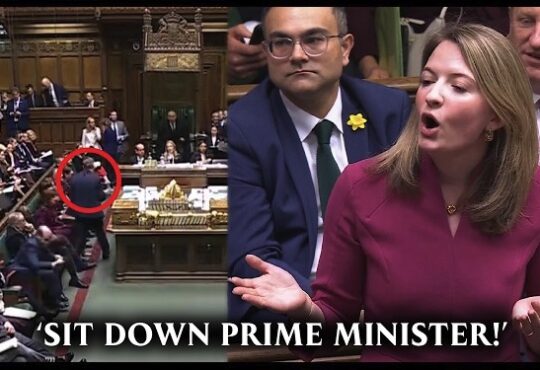
Watch as the Whole Parliament ERUPTS As Kemi Badenoch HUMILIATES Keir Starmer & Labour MPs in House of Commons!

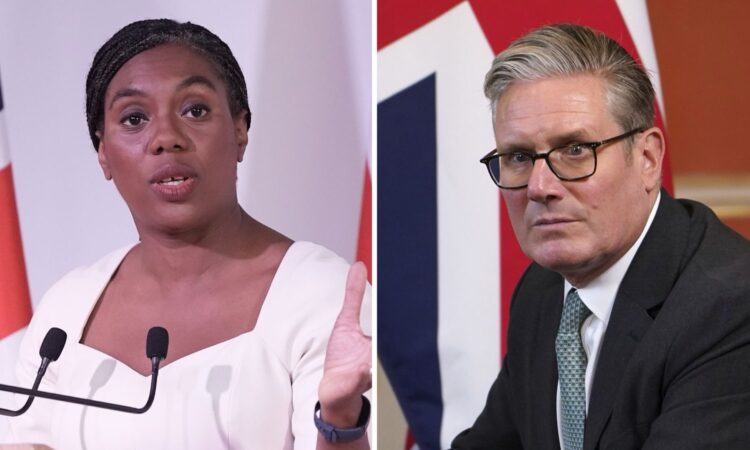
The atmosphere in the House of Commons was tense and uneasy as MPs watched a serious argument unfold over a collapsed national security case that involved alleged Chinese spying. What started as a respectful moment to remember Sir David Amess quickly turned into a fierce political confrontation that left many questioning whether the government had failed to protect Parliament itself.
Prime Minister Keir Starmer came under sustained pressure after opposition figures accused his government of giving unclear and shifting explanations about why the case fell apart. The core issue was simple but alarming: two people accused of spying on MPs were charged, yet the case later collapsed, raising fears about gaps in Britain’s ability to deal with foreign threats.
Opposition leader Kemi Badenoch did not hold back. She openly questioned the Prime Minister’s competence and accused him of hiding behind technical language instead of taking responsibility. She pointed out that this was not a minor legal slip, but a case involving the safety of elected MPs and the security of the country. In her view, the Prime Minister’s answers were evasive and, at times, contradictory.
A major point of dispute was whether the UK government had clearly and consistently treated China as a threat. Badenoch reminded the House that previous official reviews had already described China as a serious risk to the UK’s economic and national security. She also cited public warnings from the head of MI5, who had spoken openly about the dangers posed by Chinese state activity. Given all this, she argued, it made no sense that prosecutors were left without enough evidence to continue the case.
Starmer insisted that the responsibility lay with the previous government, saying the evidence and charging decisions were made before he became Prime Minister. He repeatedly stressed that no ministers or political advisers under his leadership interfered with the case and that it was handled independently. However, as the exchange went on, critics said his explanations became less clear, which only deepened suspicion and frustration.
The debate grew more heated when reports surfaced about a private meeting involving senior security officials to discuss the fallout from the collapsed trial. Badenoch demanded to know whether this meeting actually took place and why Parliament was not fully informed about it. She also highlighted comments from the Crown Prosecution Service, which had previously said it was satisfied that the legal threshold for charging had been met. If that was the case, she asked, what changed between the charges being brought and the case collapsing?
The Prime Minister responded by promising transparency, saying he would publish the full witness statements so MPs could see exactly what evidence had been provided and when. He said there was no attempt to hide anything and explained that certain procedures had to be followed before releasing sensitive documents. That promise, however, failed to convince many MPs, who argued that delays only fuelled suspicion.
As the exchange drew to a close, Badenoch delivered a blunt warning. She said the issue was no longer just about legal paperwork, but about trust. If the government could not clearly explain why a major national security case failed, she argued, then public confidence in its ability to protect the country would continue to erode. She questioned how the public could feel safe if even MPs were not adequately protected from foreign spying.
The session ended with a heavy mood hanging over the chamber. What should have been a clear explanation turned into one of the most uncomfortable Prime Minister’s Questions in recent years. The clash exposed deep divisions, raised serious concerns about national security, and left many wondering whether the full truth behind the collapsed case has yet to come out