Keir Starmer HUMILIATED as Labour Scrambles to Ditch Hated Farms Tax After Furious Backlash

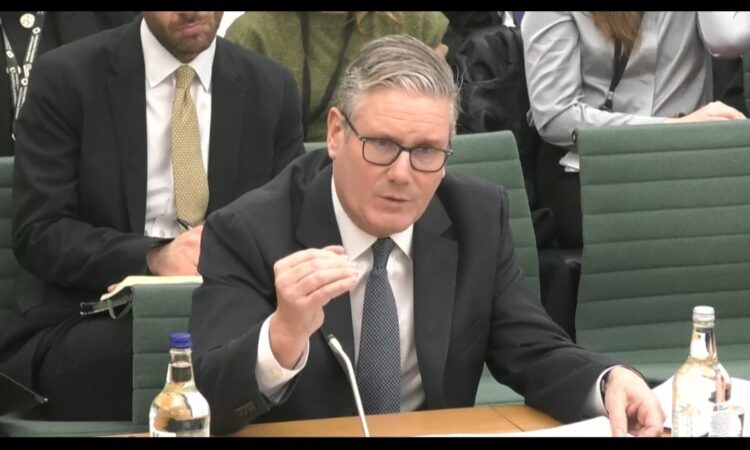
Ministers have suddenly joined the public backlash against the deeply unpopular farms tax after Keir Starmer made another embarrassing U-turn.
Only days earlier, he had stood firmly behind the policy when questioned by MPs, insisting it was the right thing to do. Now, barely a week later, he has quietly softened it, leaving many people wondering why it was pushed so aggressively in the first place.
The change has opened the floodgates inside Labour. MPs have rushed forward to say they had privately warned the leadership that the policy would cause serious damage, even though most of them voted for it less than a month ago.
Inside the party, there is growing anger and despair about how badly the issue has been handled. Many feel Downing Street has learned nothing from earlier U-turns on winter fuel payments and benefit cuts, where Labour took heavy political hits only to reverse course later.
Some Labour insiders are now pointing fingers at the Treasury and, in particular, at **Rachel Reeves**, arguing that the Prime Minister needs to push back harder when officials come forward with policies that look sensible on paper but are politically explosive in the real world. There is a strong feeling that Starmer reacted far too late, only stepping in once the anger from farmers and rural businesses had reached boiling point.
The Prime Minister is said to have personally intervened at the last moment to strike a compromise with furious farmers and family-run firms that would have been hit hard by the original inheritance tax plans. Protests have been building for months, and the pressure only intensified after farmers warned the policy could push some families to breaking point.
Now, many in Labour believe it is only a matter of time before Starmer is forced into another retreat, this time over planned business rate changes that would hit pubs and the wider hospitality sector. There is a strong sense that the same pattern is repeating itself again and again: push through a tough policy, face public outrage, then quietly back down after the damage is done.
Just before Christmas, the government announced that it would raise the threshold at which rural estates become liable for inheritance tax from £1 million to £2.5 million starting in April. This change removes most family farms from the scope of the tax increase that was announced in the 2024 Budget. Farming groups welcomed the move, with the **National Farmers’ Union** saying it was a step in the right direction.
The Environment Secretary confirmed the reversal only eight days after Starmer had told MPs the original policy was “sensible.” At that time, he refused to budge, even after being warned that some terminally ill farmers were considering extreme actions so their families could avoid the tax. That stance now looks especially damaging, given how quickly the policy was watered down.
The row also comes less than a month after Labour MP Markus Campbell-Savours lost the party whip for voting against the plans. To many within Labour, this has only added to the sense of chaos and unfairness around the whole episode.
One senior Labour source described the situation as yet another example of the Prime Minister backing down after holding firm in public. Others complained that the party took all the political pain, only to retreat anyway. Several MPs privately believe the same thing will happen with business rates and pub taxes in the months ahead.
Under the original plan set out by Reeves in the 2024 Budget, farmers would have paid inheritance tax at 20 percent on agricultural land and property worth more than £1 million. That announcement sparked large protests in London, with farmers travelling from across the country to make their voices heard. High-profile figures, including **Jeremy Clarkson**, joined the backlash, and Labour MPs in rural areas warned that the policy was costing them support.
In the latest reversal, the government admitted it had acted because of serious concerns raised by the farming community. Several Labour MPs quickly came out to welcome the change, saying it was fairer and more realistic, even though they had supported the original policy in Parliament. Some openly admitted they had been lobbying behind the scenes while still voting with the government.
A spokesperson said the revised plan would cut the number of farms affected by changes to agricultural property relief by half. The NFU said it was relieved the government had finally listened, arguing that the new threshold better reflects the reality of modern farming and offers real protection to family-run operations.
However, critics say the damage has already been done. Opposition figures warned that the stress, uncertainty, and financial fear caused by the policy cannot simply be undone. Some argue that businesses have already collapsed and lives have been deeply affected, and rural communities will not forget the turmoil this episode caused.
Reform UK has also criticised the climbdown, saying that while it is better than nothing, it does not undo a year of anxiety for farmers trying to plan their futures. They argue that even with the higher threshold, many farms will still face huge bills, and they are calling for the policy to be scrapped entirely.
Overall, the episode has reinforced growing doubts about Labour’s decision-making at the top. For many voters and MPs alike, it looks like another case of poor planning, slow reactions, and a government that only listens once public anger becomes impossible to ignore.