36,000 Illegal Migrants Spend Christmas in Hotels — See the Whoopping Amount It Costs Taxpayers


The issue has sparked widespread frustration because it comes at a time when many people across the UK are already under serious financial pressure.
Energy bills remain high, food prices have risen sharply, and many families say they are barely managing to afford a modest Christmas. Against that backdrop, the idea that millions of pounds are being spent every single day on hotel accommodation for illegal migrants has left a lot of taxpayers angry and confused about government priorities.
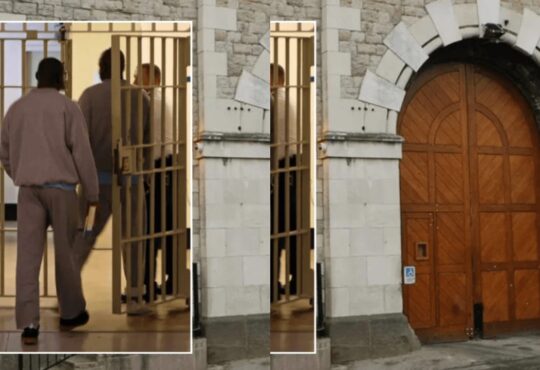
According to the figures, more than 36,000 people who entered the country illegally will be staying in hotels over the Christmas period. Just for Christmas Day alone, the cost of those hotel rooms is estimated at more than £5.3 million. When the entire month of December is added up, the bill rises to around £166 million, all funded by the public. Critics say this is money that could have gone toward easing the cost-of-living crisis, improving public services, or supporting struggling households.
Much of the anger is directed at the gap between political promises and what is actually happening. Labour had previously pledged to end the use of hotels to house asylum seekers, describing them as expensive, unsuitable, and unfair on local communities. Yet official figures show that hotel use has increased since Keir Starmer became prime minister. Data recorded in September shows an increase of 6,688 people being housed in hotels, a rise of around 23 percent, which critics say directly contradicts Labour’s promises.
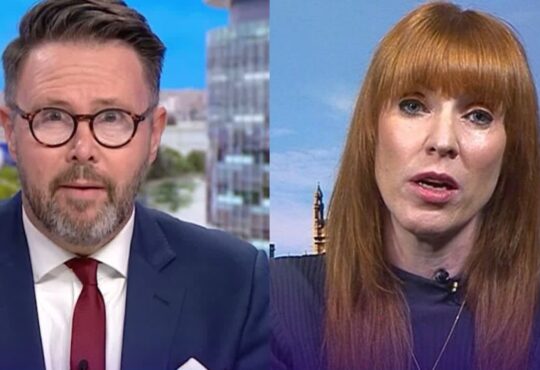
Chris Philp has been particularly outspoken, accusing the government of failing to get a grip on immigration. He said it is unacceptable that nearly 40,000 asylum seekers will be spending Christmas morning in hotel rooms paid for by taxpayers, while ordinary people are cutting back on essentials just to get through the festive season. He argued that the current approach sends the wrong message and does nothing to deter illegal crossings.
Philp and other critics also claim that the system itself encourages dangerous journeys. They argue that if people knew they would be returned immediately after arriving illegally, many would not attempt the risky Channel crossing at all. Instead, they say the promise of accommodation, food, and support — even if temporary — acts as a pull factor, encouraging more people to make the journey.
Those concerns have been amplified by the latest crossing figures. On one recent Saturday, 805 people crossed the English Channel in small boats, pushing the total number of crossings this year beyond 41,000. That is one of the highest annual totals on record and includes some of the busiest days seen since early October, when over 1,000 people crossed in a single day. Each new arrival adds further pressure to an asylum system that is already struggling to cope.
The Home Office has admitted it is unhappy with the situation, saying it is “furious” about the number of illegal arrivals and the continued use of hotels. Officials insist the government is committed to closing all asylum hotels and reducing costs. They say efforts are already underway to move people into alternative accommodation that is cheaper and less disruptive to local communities.
The department has also said it is working closely with local councils, property owners, and other government departments to speed up the process and reduce reliance on hotels as quickly as possible. However, critics remain sceptical, pointing out that similar promises have been made before with little visible progress.
For many people, the controversy goes beyond the numbers. They see the continued hotel use as a symbol of a broken system that fails on all sides. Taxpayers feel ignored, local communities feel overwhelmed, and asylum seekers are left stuck in temporary accommodation for months, sometimes years, with no clear resolution to their cases.
As Christmas arrives, the situation has become even more politically sensitive. While families gather at home and try to make the most of a difficult year, the image of thousands of migrants spending the holidays in hotels at public expense has become a powerful and emotional issue. For supporters of tougher immigration controls, it represents a loss of control and wasted money. For others, it highlights the lack of long-term planning and the urgent need for a faster, fairer asylum system that works for everyone involved.